
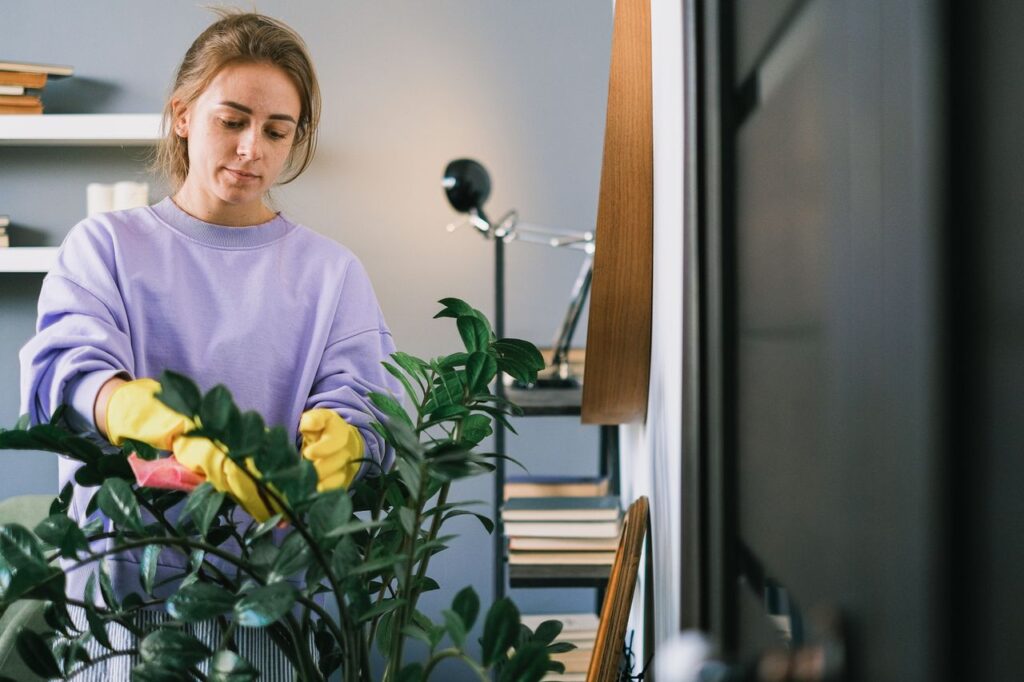
Imagine the scene: you come home after a long day, carrying a gorgeous new tropical plant to add to your cozy apartment.
You search for an open surface, only to realize your single sunny windowsill is already crammed with pots, the leaves are pressing against cold window glass, and the soil in your older plants hasn’t dried out in over two weeks.
It is a familiar struggle for almost every urban gardener trying to squeeze a lush green paradise into a compact studio layout. Without sprawling yards or giant bay windows, well-meaning plant parents often fall into predictable care traps that accidentally stress their foliage.
In this guide, you will discover the five most common small-space plant care mistakes and learn practical, stress-free solutions to keep your indoor jungle thriving.
1. Overwatering Due to Slow Soil Evaporation
In a tight apartment, indoor air circulation is inherently limited compared to spacious, open-concept homes or outdoor gardens.
Because air moves much more slowly across compact rooms, potting soil stays wet for significantly longer periods after a thorough watering session.
When plant owners follow rigid calendar schedules—like watering every single Saturday—without checking the actual soil moisture first, lower roots drown in stagnant liquid.
This chronic overwatering starves root systems of essential oxygen, triggering rapid fungal decay, foul odors, yellowing foliage, and soft, mushy stem bases.
In small spaces, environmental humidity from cooking or showers further slows down natural evaporation, compounding the risk of root rot.
How to Fix Soil Evaporation Issues
- The Finger Test: Always insert your index finger two inches deep into the potting mix before picking up your watering can.
- Aerate the Soil: Use a clean chopstick to gently poke small vertical holes in the soil surface, breaking up compacted crusts and allowing air to penetrate the root zone.
- Amend Your Mix: Mix chunky additives like coarse perlite, pumice, or orchid bark into commercial potting soil to increase drainage channels.
2. Choosing Giant Tropicals That Overwhelm the Space
Falling in love with a massive, six-foot Monstera deliciosa or a sprawling Bird of Paradise at the local nursery display is incredibly easy to do.
However, cramming large-scale tropical trees into narrow apartment walkways or tiny studio corners quickly leads to crowded living areas and physically damaged leaves.
Overcrowded foliage constantly brushes against living room furniture, doorways, and passing foot traffic, causing torn leaf margins and snapped petioles.
Furthermore, giant oversized leaves block incoming sunlight from reaching smaller plants tucked beneath them, creating accidental shadow zones across your shelving.
Instead of fighting against rapid growth habits, urban plant parents should intentionally select compact species genetically built for tight surfaces.
Ideal Compact Alternatives for Small Spaces
- Dwarf ZZ Plant (Zamioculcas zamiifolia ‘Zenzi’): Offers thick, architectural dark green foliage while growing slowly and remaining under twelve inches tall.
- Baby Rubber Plant (Peperomia obtusifolia): Features glossy, succulent-like leaves that retain an upright, neat habit suitable for narrow desk corners.
- Zebra Haworthia (Haworthiopsis fasciata): A slow-growing, highly structural succulent that perfectly fits onto narrow three-inch windowsill ledges.
Discover these 24 Compact Space-Saving Indoor Plants and turn every tiny corner green!
Small-Space Care Mistake Quick Reference
To help you troubleshoot your compact plant setup at a glance, check out this reference table:
| Mistake | Primary Symptom | Root Cause | Easy Solution |
| Overwatering | Yellow leaves & mushy stems | Poor airflow & stagnant soil | Check soil moisture before watering |
| Oversized Species | Torn foliage & blocked pathways | Ignoring mature plant scale | Choose dwarf cultivars & compact plants |
| Potting Without Drainage | Root rot & white soil mold | Trapped excess water | Use clear plastic pots with drainage holes |
| Window Cluttering | Leggy stems & burnt leaves | Overcrowding single windows | Spread plants using vertical grow lights |
| Ignoring Airflow | Powdery mildew & pest outbreaks | Stagnant, humid indoor air | Run a low-power oscillating desk fan |
3. Potting Directly Into Decorative Planters Without Drainage
Selecting beautiful ceramic cover pots that match your apartment’s interior aesthetic is one of the most enjoyable parts of decorating with plants.
However, planting foliage directly into decorative containers that lack bottom drainage holes is one of the most dangerous gambles in indoor gardening.
When excess runoff water has nowhere to escape, it collects at the very base of the container, creating an invisible, toxic swamp around lower feeder roots.
Even if you water sparingly, accumulated liquid slowly rots the root tips, causing leaves to turn brown and drop without warning.
The Double-Potting Method Explained
The simplest, cleanest solution for apartment gardeners is adopting the double-potting technique for every single plant in your collection.
Keep your tropicals planted inside lightweight, clear plastic nursery pots equipped with multiple bottom drainage holes.
Slide the plastic nursery pot directly inside your decorative ceramic cover pot, elevating it slightly using a few pebbles at the bottom if needed.
When watering day arrives, lift the plastic nursery pot out, take it to your kitchen sink, give it a thorough soak, and let excess liquid drain completely.
Once the pot stops dripping, slide it back into your stylish ceramic planter, keeping your display clean and your plant roots completely safe from rot.
4. Crowded Windowsills and Sudden Light Starvation
When window real estate is limited to a single window pane, the natural impulse is to pack every green container directly onto the sill.
This overcrowding creates a dense, tangled wall of leaves where taller plants completely block natural sunlight from reaching smaller pots sitting behind them.
Additionally, pressing tender leaves directly against icy glass panes during cold winter months or hot glass during summer causes severe thermal shock and leaf scorch.
Over time, shaded plants respond by growing long, weak, leggy stems as they desperately stretch toward the light source, losing their compact natural shape.
Expanding Your Growing Zone Beyond the Window
- Clip-On LED Grow Lights: Attach compact, full-spectrum LED lights onto bookshelves or side tables to turn dark interior corners into productive plant spots.
- Under-Shelf Light Bars: Mount slim LED light strips underneath floating shelves or cabinets to illuminate entire rows of tropical foliage evenly.
- Tension Rod Hanging Setup: Install a sturdy tension shower rod across your window frame to hang plants vertically, spreading foliage out safely.
5. Neglecting Indoor Air Circulation
Small rooms with closed windows trap household dust, static air, and elevated humidity from daily cooking or hot showers.
Without gentle breezes to rustle foliage, stagnant air allows airborne fungal spores to settle on wet leaf surfaces, leading to powdery mildew and sooty mold.
Stagnant, warm conditions also create an ideal breeding ground for common indoor pests like spider mites, mealybugs, and fungus gnats.
Furthermore, plants rely on air movement to strengthen their stem tissues; without gentle stress from moving air, stems remain weak and flop over easily.
Simple Air Circulation Tweaks
You don’t need a noisy, high-powered air conditioner or industrial fan to solve stagnant air problems in a small apartment.
Position a small, low-noise oscillating desk fan on a low setting near your plant shelf or window display to keep air moving gently around the canopy.
Ensure the fan isn’t blowing harsh, high-speed wind directly onto delicate leaves, as this can dry out thin foliage too quickly.
A gentle, continuous breeze keeps soil surfaces drying evenly, prevents fungal spores from establishing, and discourages flying pests from landing on your pots.
Keep Your Compact Jungle Healthy and Happy
Gardening in a small apartment doesn’t mean compromising on lush foliage or settling for struggling, unhealthy plants.
By understanding how small-space microclimates work, you can easily adjust your care routine to avoid common traps like overwatering, window clutter, and poor drainage.
Switching to double-potting, picking compact plant species, adding supplementary LED grow lights, and maintaining gentle airflow will transform your indoor garden.
Take a look at your plant setup today, check your soil moisture levels, and give your small-space tropicals the care they need to thrive!
Ready to master more small-space indoor plant care strategies? Explore the rest of our blog guides to discover apartment soil recipes, lighting hacks, and expert maintenance routines tailored for urban plant parents!
 Small Spaces
 Turn your small space into an urban jungle! Discover step-by-step how to build a mess-free, freestanding living green wall divider for ultimate apartment privacy.
 Plant Care
 Dust is a silent killer! Learn step-by-step how to clean houseplant leaves naturally to boost photosynthesis, prevent pests, and restore vibrant shine.
 Plant Care
 As a pet owner, bringing new plants into your home can feel like a risky game. Curiosity often gets the […]
