
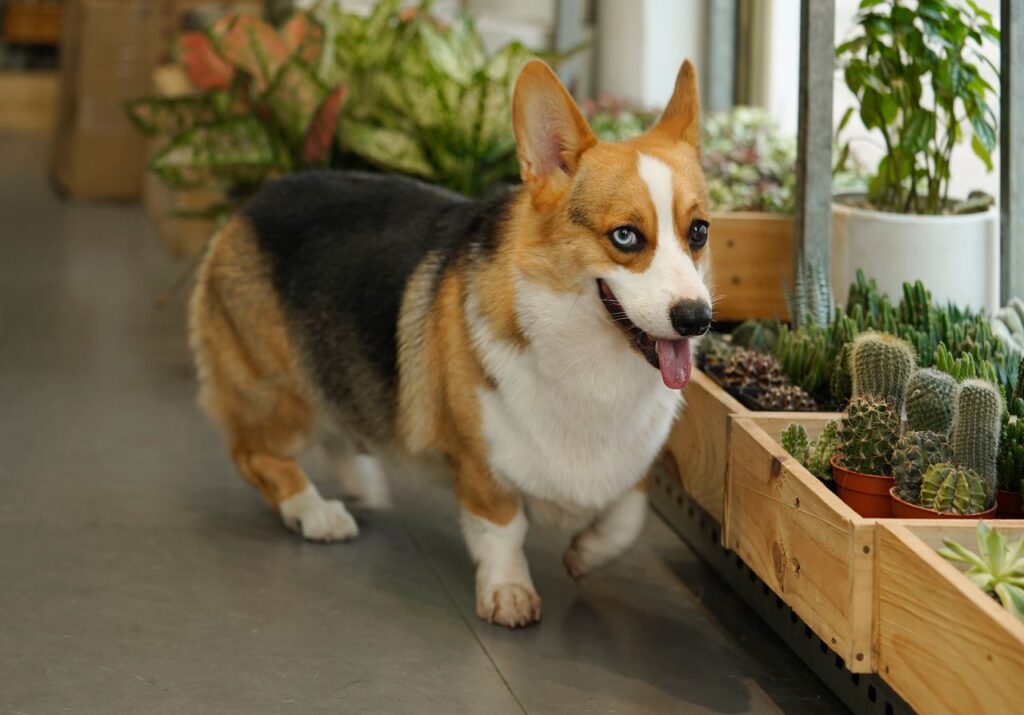
As a pet owner, bringing new plants into your home can feel like a risky game. Curiosity often gets the better of cats and dogs, leading them to nibble on fresh green leaves when you aren’t looking.
Popular tropicals like Monstera, Pothos, and Philodendron contain insoluble calcium oxalate crystals that can irritate your pet’s mouth and stomach, turning a peaceful living room into an emergency vet visit.
Fortunately, you don’t have to choose between a lush indoor jungle and keeping your furry family members safe. Many breathtaking tropicals, succulents, and cascading vines are entirely non-toxic to animals.
In this guide, I will share my top ten pet-friendly houseplants, explain their care needs, and show you how to display them safely alongside curious cats and dogs.
1. Spider Plant (Chlorophytum comosum)
The Spider Plant is an absolute classic for pet owners due to its rapid growth rate, arching variegated leaves, and completely non-toxic nature.
Cats are often attracted to its long, bouncy leaves, which sway gently in room breezes. In fact, spider plants contain mild hallucinogenic compounds similar to catnip for felines, making them a harmless sensory favorite.
It produces long runners with tiny baby plantlets that trail gracefully over pot rims, making it an ideal candidate for high hanging baskets.
Essential Care Tips
- Light: Bright, indirect light to partial shade.
- Watering: Allow the top inch of potting soil to dry out between waterings.
- Pet Safety: Completely non-toxic to cats and dogs (ASPCA certified).
2. Parlor Palm (Chamaedorea elegans)
If you want the dramatic, architectural look of a tropical palm tree without risking your pet’s safety, the Parlor Palm is my top recommendation.
Unlike toxic Cycads (like the Sago Palm, which is extremely dangerous to dogs), the Parlor Palm is completely safe for all pets.
It features delicate, feathery green fronds that add instant height and elegance to bright room corners, side tables, or office desks.
Because it grows slowly and stays relatively compact, it fits easily into small apartments without outgrowing its display space.
Essential Care Tips
- Light: Medium to low indirect light (tolerates fluorescent lighting well).
- Watering: Water when the top half of the soil feels dry to the touch.
- Pet Safety: Completely non-toxic to cats and dogs.
3. Boston Fern (Nephrolepis exaltata)
With its lush, cascading fronds and rich green texture, the Boston Fern turns any bright room into a relaxing tropical sanctuary.
While many true ferns are safe, some plants with “fern” in their common name (like the Asparagus Fern) are actually toxic, making the Boston Fern a reliable safe choice.
It thrives on high atmospheric air humidity, making it an excellent candidate for bright bathroom shelves or steamy kitchen windowsills.
If your cat loves swatting at soft, feathery leaves, you can rest easy knowing that a accidental nibble won’t cause any harm.
Essential Care Tips
- Light: Bright, indirect light away from harsh afternoon sun.
- Watering: Keep potting substrate consistently damp, but never waterlogged.
- Pet Safety: Completely non-toxic to cats and dogs.
4. Peperomia obtusifolia (Baby Rubber Plant)
For plant parents who love thick, glossy leaves with a sturdy succulent-like feel, Peperomia obtusifolia is a stunning, non-toxic choice.
Despite its common name, it is not related to true rubber trees (Ficus elastica), which are toxic to pets due to irritating milky sap.
Its broad, rounded emerald leaves store water efficiently, making it incredibly forgiving if you occasionally forget a watering session.
Its neat, upright growth habit ensures it stays under twelve inches tall, fitting perfectly on narrow windowsills, desks, or coffee tables.
Essential Care Tips
- Light: Medium to bright indirect sunlight.
- Watering: Allow the top two inches of soil to dry out thoroughly before watering.
- Pet Safety: Completely non-toxic to cats and dogs.
5. Prayer Plant (Maranta leuconeura)
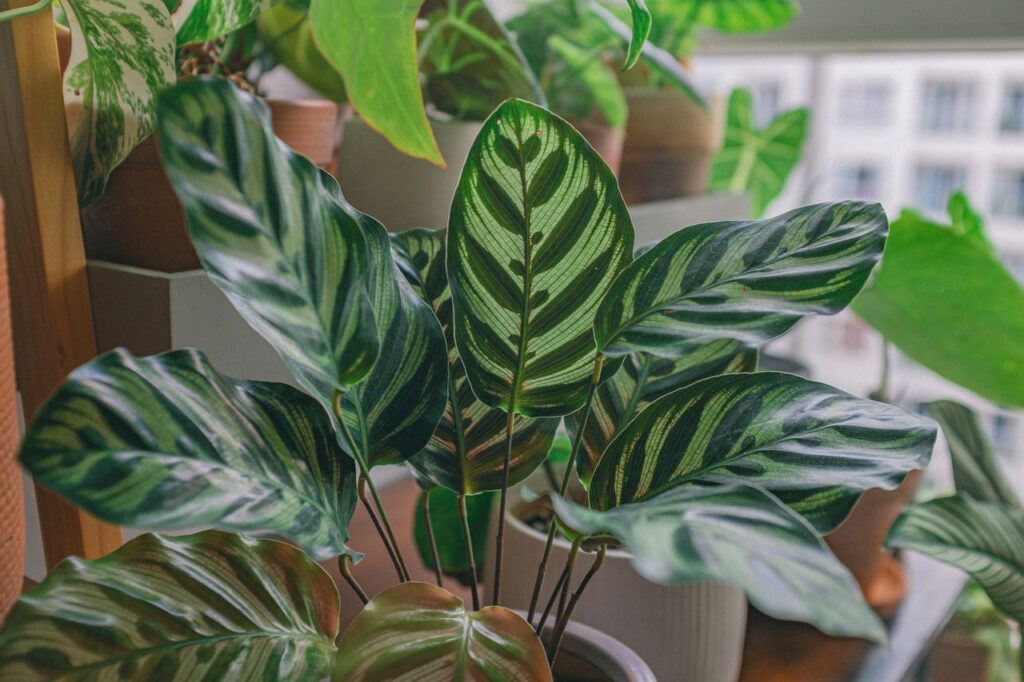
If you love striking leaf patterns and vibrant colors, the Prayer Plant delivers showstopping beauty without putting your pets at risk.
It features soft oval leaves detailed with bright pink veins, dark green blotches, and deep purple undersides that fold upward at night like hands in prayer.
Because Marantaceae family members are safe for animals, you can enjoy high-end patterned foliage without worrying about toxic reactions.
I love placing these on low coffee tables where both humans and pets can admire their unique evening movement up close.
Essential Care Tips
- Light: Medium indirect light; keep away from direct sunlight to prevent leaf fading.
- Watering: Keep soil evenly moist using filtered water or rainwater.
- Pet Safety: Completely non-toxic to cats and dogs.
Pet-Friendly Houseplant Quick Reference Matrix
To help you choose the best non-toxic plants for your exact home layout and lighting, check out this diagnostic matrix:
| Plant Species | Growth Habit | Preferred Light Level | ASPCA Toxicity Status |
| Spider Plant | Arching / Trailing | Bright, Indirect | 100% Non-Toxic |
| Parlor Palm | Upright / Feathery | Medium to Low | 100% Non-Toxic |
| Boston Fern | Cascading / Bushy | Bright, Indirect (High Humidity) | 100% Non-Toxic |
| Peperomia obtusifolia | Compact / Upright | Medium to Bright | 100% Non-Toxic |
| Prayer Plant | Low Creeping / Patterned | Medium, Indirect | 100% Non-Toxic |
| Rattlesnake Plant | Tall / Architectural | Medium to Bright Indirect | 100% Non-Toxic |
| African Violet | Compact / Flowering | Bright, Indirect | 100% Non-Toxic |
| Ponytail Palm | Bulbous / Arching | Bright Light to Direct Sun | 100% Non-Toxic |
| Burro’s Tail | Cascading Succulent | Bright, Direct Sun | 100% Non-Toxic |
| Christmas Cactus | Arching / Flowering | Medium to Bright Indirect | 100% Non-Toxic |
6. Rattlesnake Plant (Goeppertia insignis)
Another non-toxic member of the prayer plant family, the Rattlesnake Plant stands out with its long, wavy-edged foliage.
The tops of the leaves feature dark green brushstrokes against a pale green background, while the undersides showcase a rich, velvety crimson-purple color.
Its upright, structural leaves create a bold focal point on plant stands or low side tables without creating a hazard for curious pets.
It appreciates elevated indoor humidity, making it a wonderful companion when grouped alongside other moisture-loving tropicals.
Essential Care Tips
- Light: Medium to bright indirect light.
- Watering: Water when the top inch of soil dries out; avoid hard tap water.
- Pet Safety: Completely non-toxic to cats and dogs.
7. African Violet (Saintpaulia)
If you want safe indoor plants that produce reliable, colorful blooms year-round, African Violets are an absolute must-have classic.
They produce clusters of fuzzy, heart-shaped leaves centered around delicate blooms in shades of purple, blue, pink, magenta, and white.
Unlike many flowering indoor plants (like Lilies, which are deadly to cats), African Violets are completely safe if a curious pet takes a bite.
Their compact, low-growing size makes them ideal for bright kitchen counters, windowsills, or office desks where space is limited.
Essential Care Tips
- Light: Bright, indirect light; thrives under fluorescent grow lights.
- Watering: Bottom-water using room-temperature water to avoid spotting fuzzy leaves.
- Pet Safety: Completely non-toxic to cats and dogs.
8. Ponytail Palm (Beaucarnea recurvata)
With its swollen, woody base and fountain of long, curly green leaves, the Ponytail Palm brings a fun, whimsical look to bright rooms.
Despite its common name and palm-like appearance, it is actually a succulent that stores water inside its bulbous trunk base.
Cats are often fascinated by its long, thread-like leaves, which dangle like natural cat toys when caught in a gentle room breeze.
Because it stores water so efficiently, it requires minimal care, making it ideal for busy plant parents who travel frequently.
Essential Care Tips
- Light: Bright indirect light to full direct sunlight.
- Watering: Allow the soil to dry out almost completely between waterings.
- Pet Safety: Completely non-toxic to cats and dogs.
9. Burro’s Tail (Sedum morganianum)
Finding pet-safe succulents can be tricky, but Burro’s Tail is a gorgeous, non-toxic option that cascades beautifully over planter rims.
It produces thick, fleshy, blue-green leaves woven tightly along hanging stems, creating a braided, woven appearance.
It looks breathtaking when mounted in a high hanging basket near a sunny south- or west-facing window out of reach of swinging paws.
While it is non-toxic, its plump leaves knock off easily if bumped, so keeping it elevated protects both your pet and the plant’s appearance.
Essential Care Tips
- Light: Bright, direct sunlight for several hours daily.
- Watering: Soak thoroughly only when the plump leaves begin to wrinkle slightly.
- Pet Safety: Completely non-toxic to cats and dogs.
10. Christmas Cactus (Schlumbergera)
The Christmas Cactus is a long-lived, flat-stemmed succulent known for producing stunning fuchsia, red, or white blooms during winter months.
Unlike desert cacti, it lacks sharp spines, so you don’t have to worry about curious noses or paws getting poked when pets investigate the pot.
Its arching segment chains drape gracefully over container edges, creating a lush green look even when the plant is not actively blooming.
It is remarkably resilient, adapting well to standard indoor living conditions while remaining completely safe for dogs and cats alike.
Essential Care Tips
- Light: Medium to bright indirect sunlight.
- Watering: Water when the top half of the potting mix feels dry.
- Pet Safety: Completely non-toxic to cats and dogs.
Smart Design Tips for Coexisting with Curious Pets
Even with 100% non-toxic plants, preventing your pets from chewing on leaves or digging up potting soil keeps your home clean and your foliage looking pristine.
- Utilize Hanging Planters: Mount heavy-duty ceiling hooks to keep cascading species like Spider Plants and Burro’s Tail high out of reach.
- Use Heavy Ceramic Containers: Choose heavy, wide-based ceramic pots that curious dogs or playful cats cannot easily tip over.
- Cover Exposed Soil: Place large, smooth river stones over the soil surface to deter cats from using potted plants as makeshift litter boxes.
- Provide Pet-Safe Greens: Keep a small pot of organic wheatgrass (cat grass) near your pet’s food station to satisfy their natural urge to chew greenery safely.
Build a Safe, Stress-Free Indoor Sanctuary
Decorating your living space with vibrant, healthy houseplants doesn’t mean compromising on the safety and well-being of your beloved pets.
By choosing verified non-toxic species like Parlor Palms, Peperomias, and Prayer Plants, you can create a lush, tropical oasis with total peace of mind.
Inspect your home layout today, select your favorite pet-safe tropicals, and build an indoor jungle that both you and your furry companions can enjoy!
Want to master more essential houseplant care strategies? Explore the rest of our blog guides to discover specialized soil recipes, pest control solutions, and expert care routines for every plant parent!
 Small Spaces
 Turn your small space into an urban jungle! Discover step-by-step how to build a mess-free, freestanding living green wall divider for ultimate apartment privacy.
 Plant Care
 Dust is a silent killer! Learn step-by-step how to clean houseplant leaves naturally to boost photosynthesis, prevent pests, and restore vibrant shine.
 Small Spaces
 Stop guessing planter sizes! Master the 2-inch sizing rule to keep your houseplant roots healthy without taking over your living space.
