
When I brought home my very first Fiddle Leaf Fig, I spent hours picking out the most gorgeous glazed ceramic pot on the shelf. I matched the color to my living room rug, potted my new green roommate directly into it, and felt like an absolute interior design genius.
Three weeks later, the plant was dropping yellow leaves at an alarming rate, sitting in a stagnant pool of trapped water. That was the day I learned a hard truth: choosing a planter isn’t just an aesthetic choice. The material you pick directly controls how moisture, air, and heat interact with your plant’s root system.
Matching your pot material to your plant’s specific hydration needs is the ultimate cheat code for indoor gardening success. In this guide, I will break down the pros, cons, and subterranean science behind terracotta, plastic, and ceramic containers so you can pick the perfect home for every plant in your collection.
1. Terracotta Pots: The Breathable Earthware Classic
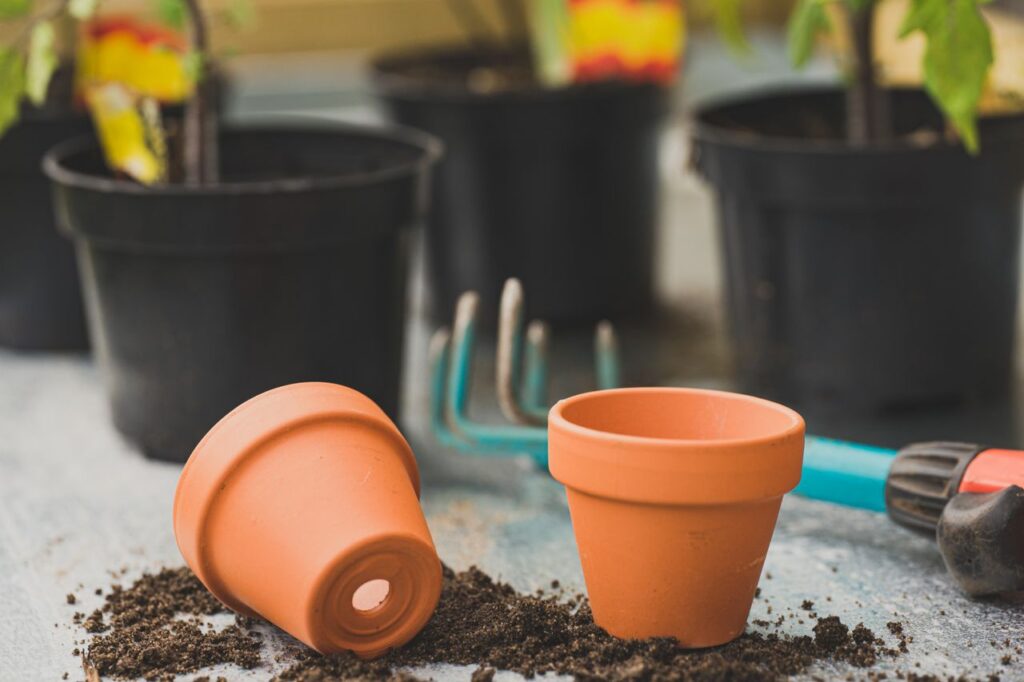
Terracotta—which literally translates to “baked earth” in Italian—is made from unglazed, porous clay. If you tend to overwater your plants like I used to, terracotta is going to be your absolute best friend.
Because unglazed clay is naturally porous, water doesn’t just evaporate from the top layer of the soil; it actively breathes through the walls of the pot itself. This micro-evaporation process pulls excess liquid away from the root ball and pulls fresh oxygen directly into the potting mix.
A quick word of warning for dog parents: proceed with caution when placing terracotta on the floor! My dog decided one of my clay pots was his favorite indoor fire hydrant. Since terracotta is so porous, it absorbed the smell right away… and well, you can picture the rest! (Thank you so much, Maria de Lourdes!) Luckily, it’s totally manageable—a quick scrub with diluted white vinegar cleans it right up, or you can simply elevate those clay pots on plant stands to keep them safe from curious pets.
Why I Love Terracotta
- Superior Root Aeration: The porous clay walls allow constant airflow, creating an oxygen-rich root zone that makes root rot nearly impossible.
- Fast-Drying Action: It dries out potting mix quickly, making it extraordinarily forgiving for gardeners who reach for the watering can too often.
- Weight and Stability: Heavy, thick clay bases prevent tall, top-heavy plants from tipping over on shelves or stands.
The Downsides to Consider
- Frequent Watering: Because moisture evaporates so quickly, thirsty tropical plants will need far more frequent watering.
- Mineral Build-up: Over time, chalky white mineral deposits (salts from tap water and fertilizer) leach through to the outer surface, which some people find unsightly.
- Fragility: Drop a terracotta pot on a hardwood floor, and it will shatter into a dozen pieces instantly.
2. Plastic Pots: The Lightweight Moisture Retainers
Plastic planters often get a bad rap for looking cheap, but professional growers use them for a reason. Modern, high-quality plastic pots are durable, highly functional, and incredible at holding onto moisture.
Unlike porous clay, plastic creates an impermeable barrier around the soil block. Zero moisture escapes through the sides of the pot, meaning liquid can only exit through bottom drainage holes or evaporate slowly from the top surface.
Why Plastic Deserves a Spot in Your Home
- Moisture Retention: Soil stays damp significantly longer, which is a lifesaver if you travel often or tend to forget watering days.
- Lightweight Flexibility: Moving a large floor plant in a plastic pot is effortlessly easy compared to lugging a heavy ceramic container.
- Unbeatable Durability: Plastic won’t crack when dropped, withstands seasonal temperature shifts, and lasts for years.
- Effortless Repotting: Flexible plastic walls allow you to gently squeeze the sides of the pot to loosen root-bound plants without damaging root tips.
The Hidden Risks
- Root Rot Hazard: Because water cannot evaporate through the container walls, soggy soil remains trapped at the bottom if you overwater.
- Overheating: Dark plastic pots kept in direct afternoon sunlight can trap intense heat, effectively cooking delicate feeder roots.
3. Ceramic Pots: The Decorative Heavyweights
Glazed ceramic planters are the undisputed champions of home decor. Made from baked clay that is coated in a glass glaze, ceramic pots offer the heavy structural weight of terracotta combined with the moisture-sealed walls of plastic.
The glaze seals the outer clay completely, blocking water and air from passing through the sides. This gives you a stunning, artistic display piece that retains moisture exceptionally well.
The Strengths of Ceramic
- Stunning Aesthetic Variety: Ceramic pots come in endless colors, handcrafted glazes, and modern geometric textures that complement any interior design style.
- Temperature Insulation: Thick ceramic walls shield sensitive tropical root systems from sudden indoor temperature swings and cold winter drafts.
- Moisture Conservation: Like plastic, ceramic slows down evaporation, keeping moisture-loving species happy and hydrated.
The Big Trap to Avoid
- Missing Drainage Holes: Many decorative ceramic containers are sold as “cachepots” without bottom drainage holes. Planting directly into a holeless ceramic pot is a one-way ticket to standing water and root decay.
- Heavy Weight: Large glazed pots are extremely heavy, making routine plant maintenance, cleaning, and repotting a real workout.
Here is a practical, step-by-step video guide to help you master this technique from start to finish. Press play below to get started!
Direct Comparison: Terracotta vs. Plastic vs. Ceramic
To help you match your plant species with the right container material, here is how all three stack up side-by-side:
| Material | Evaporation Rate | Drainage / Porosity | Weight & Stability | Ideal Plant Types |
| Terracotta | Extremely Fast | Highly Porous (Breathes through walls) | Heavy & Stable | Succulents, Cacti, Snake Plants, Hoya |
| Plastic | Slow | Non-Porous (Bottom drainage only) | Lightweight & Flexible | Ferns, Calatheas, Pothos, Peace Lilies |
| Ceramic | Slow to Moderate | Sealed Glaze (Requires drainage hole) | Very Heavy & Solid | Monstera, Fiddle Leaf Fig, Philodendrons |
Match the Material to Your Plant’s Personality
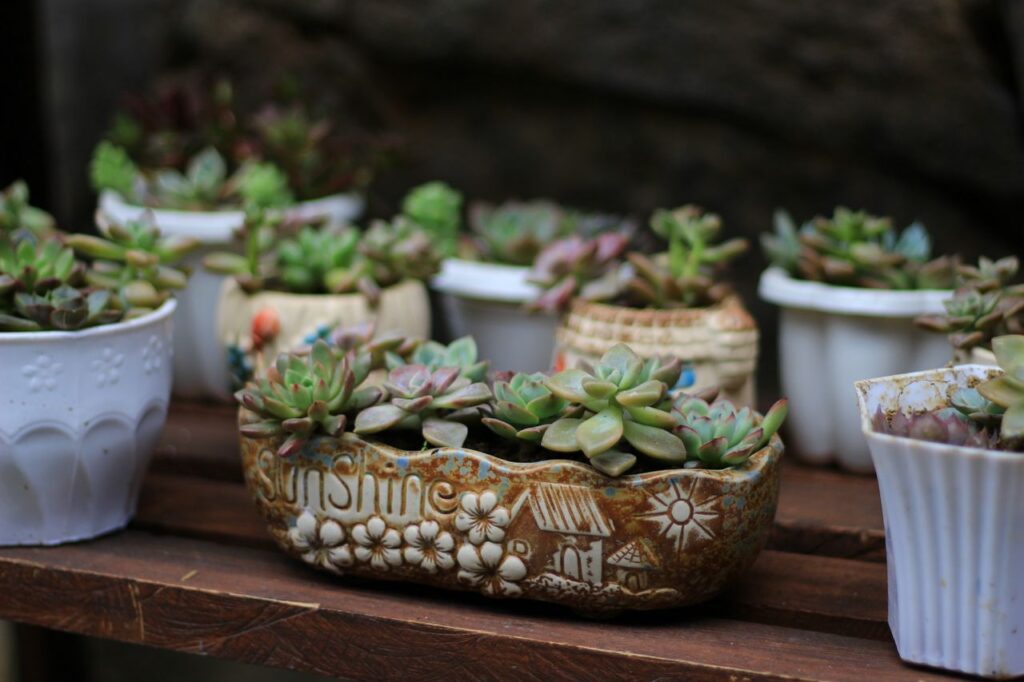
When I select a pot for a new plant today, I no longer pick based on looks alone. I ask myself two simple questions: How much water does this specific plant want, and what are my personal watering habits?
When to Choose Terracotta
Reach for unglazed terracotta if you are caring for drought-tolerant species that demand fast-drying soil. Cacti, succulents, ZZ Plants, Sansevierias, and epiphytic Hoyas hate sitting in damp earth. If you know you have a heavy hand with the watering can, terracotta will save your collection from your own kindness.
When to Choose Plastic
Opt for nursery-style plastic pots for moisture-loving tropicals that shrink at the first sign of dryness. Ferns, Calatheas, Fittonias, and Marantas thrive in plastic containers because the soil stays consistently damp. Plastic is also ideal if you love hanging plant displays where heavy containers would strain your ceiling hooks.
When to Choose Glazed Ceramic
Glazed ceramic pots are ideal for mature, medium-to-large foliage plants like Monstera Deliciosa, Ficus Elastica, or Bird of Paradise. These statement plants benefit from the heavy, sturdy base that prevents tipping, while the sealed glaze keeps soil moisture steady during active growth periods. Just ensure there is a functional drainage hole at the bottom!
Master the Designer’s Cachepot Hack
If you fall in love with a ceramic pot that lacks drainage holes, don’t panic! You don’t need to risk cracking the glaze with a diamond drill bit.
Instead, use the double-potting method—also known as the Cachepot Hack. Keep your plant potted inside its flexible plastic nursery container with proper drainage holes. Then, simply drop that plastic pot directly inside the decorative ceramic container.
When it’s time to water, slide the plastic pot out, give it a deep soak at your sink, let the excess water drain completely, and drop it back into your gorgeous display piece. You get the beauty of high-end ceramic with zero risk of root rot!
Match Your Pots to Your Lifestyle for Ultimate Success
The secret to a thriving indoor jungle isn’t finding one “perfect” pot material—it’s understanding how different materials interact with your personal care routine.
If you are an attentive plant parent who loves watering every few days, breathable terracotta will keep your plants safe. If you prefer a low-maintenance, hands-off approach, plastic and glazed ceramic will do the heavy lifting for you.
Take a quick look at your collection today. Swap out mismatched pots for materials that suit your plants’ real hydration needs, and watch your indoor garden flourish like never before!
Don’t stop your plant journey here! Be sure to explore the rest of our articles on the blog for expert care guides, styling inspiration, and troubleshooting tips to help your urban jungle thrive!
 Small Spaces
 Turn your small space into an urban jungle! Discover step-by-step how to build a mess-free, freestanding living green wall divider for ultimate apartment privacy.
 Plant Care
 Dust is a silent killer! Learn step-by-step how to clean houseplant leaves naturally to boost photosynthesis, prevent pests, and restore vibrant shine.
 Plant Care
 As a pet owner, bringing new plants into your home can feel like a risky game. Curiosity often gets the […]
