
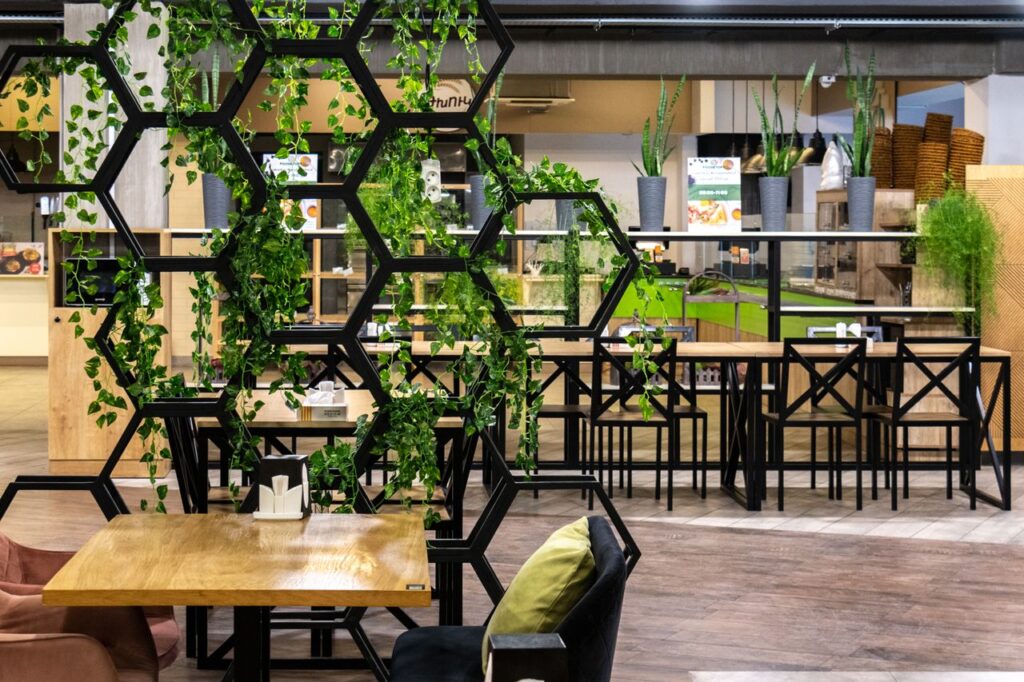
You bump into the edge of your dining chair while reaching for your morning coffee, realizing for the hundredth time that your studio apartment feels like one giant, chaotic room. Trying to relax in the evening while staring directly at an unmade bed or a mountain of kitchen dishes makes it impossible to ever truly feel off the clock.
When I first tried separating my living zone from my sleeping area, standard room partitions were a total flop—solid screens blocked our only north-facing window, turning my living room into a dark, claustrophobic cave. That was the moment I stopped looking at furniture catalogs and started looking at my climbing tropical plants.
Turning a freestanding partition into a living privacy barrier is the ultimate small-space hack, but it requires getting three things right: managing plant weight, preventing water spills on hardwood, and keeping foliage full on both sides. Here is my exact, renter-friendly blueprint to build a thriving green room divider without losing a single square foot of light.
1. Choosing the Right Freestanding Frame
In a rented space, mounting heavy vertical planters directly into drywall is rarely an option. Building a freestanding system allows you to take your green barrier with you when you move while keeping your landlord happy.
Through trial and error, I have found three primary structural bases that work exceptionally well in small apartments:
- Open Metal Wire Shelving: Industrial wire racks are inexpensive, extremely sturdy, and allow light to pass through from both sides. S-hooks and hanging pots attach directly to the wire grids with zero hassle.
- Tension Rod Trellis Systems: Floor-to-ceiling tension poles with integrated grid mesh clamp securely between your floor and ceiling without screws, creating a sleek, minimal footprint.
- Wooden Lattice Folding Screens: Classic hinged wooden screens provide instant privacy and offer a sturdy frame for mounting lightweight pocket planters or hanging trailing vines.
2. Plant Selection Matrix: Choosing the Right Foliage
Not all plants thrive in a vertical room divider setup. You need species that offer full foliage coverage, tolerate varying light levels across room depth, and don’t outgrow their containers overnight.
Here is a quick breakdown of top-performing green wall plants based on my personal testing:
| Plant Species | Ideal Light Level | Growth Habit & Pattern | Maintenance Level | Best Feature for Dividers |
| Heartleaf Philodendron | Low to Bright Indirect | Fast trailing or climbing vine | Very Low | Tolerates light variations; cascades smoothly |
| Golden Pothos | Low to Bright Indirect | Fast trailing vine | Very Low | Extremely forgiving; dense leaf coverage |
| Monstera Adansonii | Medium to Bright Indirect | Fast climbing / vine | Medium | Swiss-cheese leaf cutouts let filtered light pass through |
| Bird’s Nest Fern | Medium Indirect | Upright Rosette | Medium | Adds thick structural texture to lower shelves |
| English Ivy (Hedera) | Bright Indirect | Fast climbing / trailing | High (Prone to pests) | Creates dense visual screen; requires humidity |
| Maranta (Prayer Plant) | Medium to Low Light | Bushy / Sprawling | Medium | Colorful foliage adds vibrant contrast |
3. Light Management: Balancing Both Sides of the Room
One of the biggest mistakes I made with my first living wall divider was forgetting that one side faced a bright window while the back side faced a dark hallway.
Within three months, the light-starved back side dropped its leaves, leaving an unsightly, bald tangle of stems facing my living area.
To maintain full, healthy foliage on both sides of your freestanding green wall, follow these lighting rules:
Incorporate Integrated LED Grow Lights
Mount clip-on or stick-on full-spectrum LED light bars to the underside of shelves or along the top frame. Modern LED grow bars consume minimal electricity, run cool, and ensure the shaded side of your divider receives sufficient light for photosynthesis.
Rotate Pots Bi-Weekly
If your divider features individual pots on shelves or hooked onto grids, rotate each container 180 degrees every two weeks. This simple habit keeps growth even and stops plants from leaning aggressively toward one light source.
4. Water Management & Leak Prevention
Spilling water over hardwood floors or rugs is the fastest way to ruin an apartment setup. A successful living divider requires a mess-free watering system that catches every drop of runoff.
The Double-Potting System
Never plant directly into wall-mounted pockets or decorative containers that lack drainage holes. Instead, keep your plants in standard plastic nursery pots with drainage holes, and drop them into sealed outer cover pots (cachepots) or heavy-duty felt pockets with waterproof linings.
When watering day arrives, take these three simple steps:
- Use a Long-Spout Watering Can: Reach into dense foliage carefully without sloshing water over pot rims.
- Bottom-Water When Possible: Place potted plants in a tray filled with lukewarm water for 20 minutes, letting roots drink from the bottom up before sliding them back into the divider frame.
- Install Drip Trays: Lay heavy plastic tray liners along the bottom shelf or floor base beneath your frame to catch accidental drips during routine care.
5. Styling Tips for Ultimate Privacy and Airflow
Creating a living room divider is an art form. You want enough density to obscure unwanted views (like a messy desk or unmade bed) while keeping the living space feeling open, breezy, and bright.
Mix Trailing and Upright Species
Place upright growers like Snake Plants, ZZ Plants, or Cast Iron Plants on the bottom level to anchor the base visually. Position vining plants like Pothos and Philodendrons on upper tiers, weaving their tendrils laterally along the frame grid to build a continuous green screen.
Train Vines Intentionally
Use soft green plant tape or small clear cable clips to guide trailing vines across open gaps in your frame. Guiding growth sideways creates a dense leafy tapestry much faster than letting vines hang straight down.
Prune Regularly for Density
Snip off leggy, sparse stems just above a leaf node. Regular pruning forces plants to produce bushy side shoots, resulting in a thicker green barrier that enhances room privacy.
Building a living green wall room divider is one of the most rewarding small-space DIY projects you can tackle. It solves floor-plan challenges, purifies indoor air, and brings calm, natural energy into urban living spaces without risking a security deposit.
Select your frame, assemble a resilient mix of tropical foliage, and enjoy your very own custom oasis in the heart of your home!
 Plant Care
 Dust is a silent killer! Learn step-by-step how to clean houseplant leaves naturally to boost photosynthesis, prevent pests, and restore vibrant shine.
 Plant Care
 As a pet owner, bringing new plants into your home can feel like a risky game. Curiosity often gets the […]
 Small Spaces
 Stop guessing planter sizes! Master the 2-inch sizing rule to keep your houseplant roots healthy without taking over your living space.
