
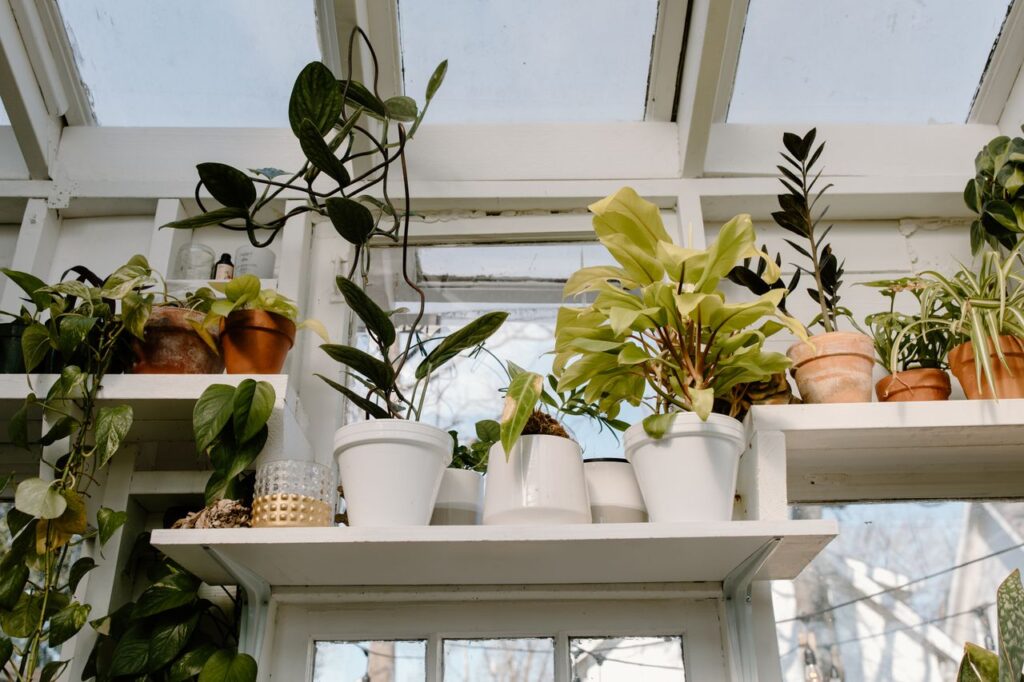
Walking into a room featuring a beautifully styled, cascading plant shelf instantly elevates the entire atmosphere of a modern living space.
In my early days as an indoor gardener, I assumed styling a shelf simply meant lining up every ceramic pot I owned in a straight, overcrowded row across an open bookshelf.
The result looked less like a curated home decor feature and more like a disorganized clearance rack at a local plant nursery.
Learning how to combine fundamental visual design principles with exact plant light requirements completely transformed my living space.
In this guide, I will share professional styling tricks, plant pairing strategies, and practical maintenance tips to help you create a breathtaking, cohesive plant shelf at home.
1. Prioritize Light Needs Before Aesthetic Styling
Before placing a single decorative item on a wooden shelf, you must evaluate the natural light levels across every shelving tier.
Top shelves usually catch strong ambient light from nearby windows, while lower tiers tucked behind shadow lines often receive much less usable exposure.
Placing a sun-hungry succulent on a dim lower shelf will cause its stem to stretch out, grow leggy, and lose its compact, beautiful shape over time.
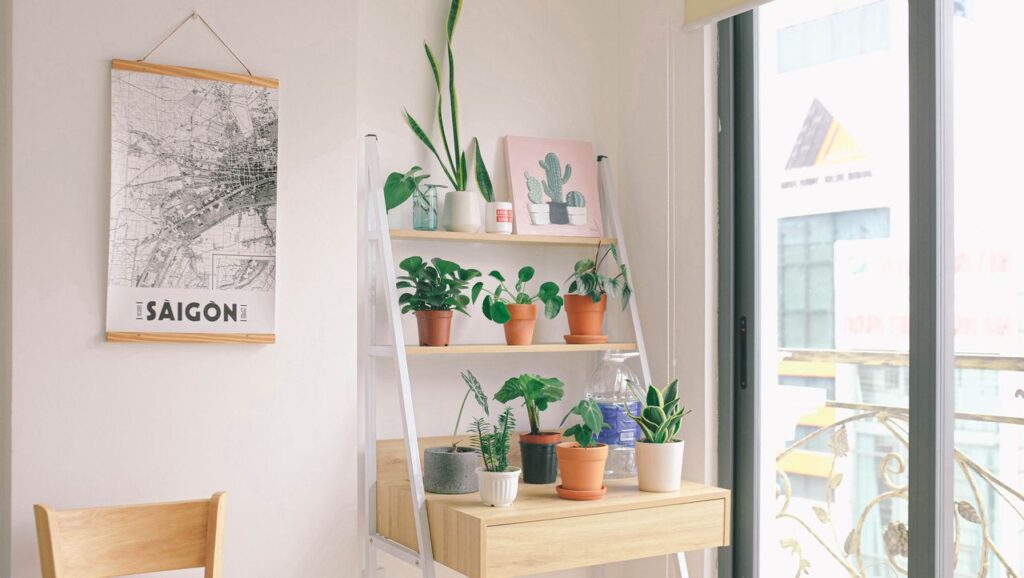
Map your light levels first: place sun-loving cacti and Haworthias on top tiers, while shade-tolerant Pothos, ZZ Plants, and Sansevieria occupy lower shelves.
This health-first approach ensures your styled display remains vibrant, green, and thriving long after the initial setup is complete.
2. Play with Height, Scale, and Visual Depth
Lining up pots of identical height and shape creates a flat, monotonous visual line that fails to catch the eye or create depth.
To create an engaging, dynamic display, combine tall upright growers, bushy medium foliage, and delicate cascading vines across every shelf tier.
Position a tall, structural plant like a Snake Plant or ZZ ‘Zenzi’ on one side of a shelf tier to anchor the space vertically.
Offset that vertical height by placing a trailing Heartleaf Philodendron or Pothos on the opposite side to spill soft green vines gracefully over the shelf edge.
Fill the middle space with textured, low-profile foliage like a Peperomia or Pilea to complete a balanced, triangular visual composition.
3. The Rule of Odds and Asymmetrical Balance
In interior design, arranging decorative items in odd numbers—specifically groups of three or five—creates a naturally pleasing visual rhythm.
Grouping three pots of varying heights together feels far more organic and relaxed to the human eye than pairing pots in rigid, symmetrical couples.
Instead of placing matching plants at exact opposite ends of a shelf, embrace asymmetrical balance to create a fluid, natural look throughout the room.
Pair two small terracotta pots next to a medium glazed planter, overlapping their foliage slightly to soften the rigid wooden lines of the shelf.
Leave intentional empty space—known in design as “white space”—around your plant groups so each individual specimen has room to shine visually.
4. Mixing Planter Textures and Cohesive Materials
A chaotic mix of brightly colored, mismatched plastic pots can quickly make a carefully curated shelf display look cluttered and messy.
To achieve a professional, polished look, choose a cohesive color palette for your planters that complements your room’s existing interior decor.
I love combining matte white ceramic pots, raw warm terracotta, and natural woven baskets to create rich tactile texture without color clashing.
Unify your display by sticking to two or three complementary materials, such as light oak wood, matte ceramic, and brushed brass accents.
Using neutral, earth-toned pots lets the vibrant green shades, unique leaf patterns, and natural textures of your foliage remain the main star of the show.
Plant Shelf Styling Matrix
To help you curate the perfect mix of foliage forms across your shelving tiers, check out this quick design matrix:
| Shelf Tier Level | Target Light Level | Recommended Growth Habit | Ideal Plant Choices |
| Top Tier | Bright, Indirect to Direct | Compact Upright & Sun-Lovers | Succulents, Cacti, Hoya, Haworthia |
| Middle Tier | Medium, Indirect Light | Bushy, Textured & Rosettes | Pilea, Peperomia, Calathea, Fittonia |
| Bottom Tier | Low to Medium Light | Trailing Vines & Shade Lovers | Golden Pothos, Heartleaf Philodendron, ZZ Plant |
5. Incorporate Non-Plant Decor for Personality
A truly professional plant shelf isn’t built exclusively out of potted dirt; integrating non-plant decorative objects adds warmth and personal storytelling.
Intersperse your green foliage with small stacks of vintage books, terracotta candles, framed art prints, or unique mineral crystals from your trips.
Use a stack of two horizontal hardcover books as an impromptu plant riser to elevate a small pot and create varied heights on a flat shelf surface.
Woven baskets placed on the lowest shelf tier offer stylish, hidden storage for unsightly plant tools, moisture meters, and extra plant ties.
Adding these personal touches weaves your houseplant collection naturally into your overall home decor, making the display feel lived-in and cozy.
6. Managing Dust and Leaf Care on High Shelves
Foliage kept on high shelves tends to accumulate household dust much faster due to rising warm air currents in the room.
A thick layer of dust acts as a barrier, blocking sunlight from reaching photosynthetic cells and dulling the natural shine of your leaves.
Schedule a monthly cleaning routine using a damp microfiber cloth to gently wipe down both the top and bottom surfaces of large foliage.
For delicate or small-leaved plants like ferns or Pilea, give them a soft shower in the bathroom sink to rinse away dust particles effortlessly.
Keeping your leaves spotless ensures your plants stay healthy while maintaining that fresh, glossy aesthetic that makes shelf displays pop.
7. Rotation Routines for Even Foliage Growth
Houseplants positioned on shelves naturally lean toward the primary light source, which can cause lop-sided growth over several months.
To maintain a balanced, bushy silhouette across all sides of your plants, establish a regular rotation schedule during weekly maintenance.
Give each pot a quarter-turn every time you water, ensuring all sides of the foliage receive equal sunlight exposure throughout the season.
This simple habit prevents vines from growing sparse on the back side facing the wall, keeping your entire display looking full and healthy.
8. Practical Safety and Shelf Weight Considerations
While stacking dozens of pots onto a single wall-mounted unit looks incredible, safety and structural support must always come first.
Ceramic planters filled with wet potting soil become remarkably heavy, putting significant stress on wall anchors and wooden brackets.
Always mount floating shelves directly into wall studs or use heavy-duty toggle bolts designed to support substantial weight limits.
For higher shelves, opt for lightweight plastic or fiberglass nursery pots tucked inside light decorative cover pots to reduce overall load weight.
Place saucer trays underneath every potted plant on your shelf to protect natural wood finishes from accidental water damage and overflow stains.
Transform Your Shelves into Living Art
Styling an indoor plant shelf is a creative, deeply satisfying process that turns standard home storage into a breathtaking living display.
By prioritizing natural light, varying plant heights, mixing cohesive planter materials, and leaving room to breathe, you create a showstopping focal point.
Take a look at your book display today, rearrange a few pots using the rule of odds, and watch your indoor jungle instantly transform your living room!
Want to master more creative houseplant styling and care strategies? Explore the rest of our blog guides to discover indoor lighting advice, specialized soil recipes, and expert care routines for every plant parent!
 Small Spaces
 Turn your small space into an urban jungle! Discover step-by-step how to build a mess-free, freestanding living green wall divider for ultimate apartment privacy.
 Plant Care
 Dust is a silent killer! Learn step-by-step how to clean houseplant leaves naturally to boost photosynthesis, prevent pests, and restore vibrant shine.
 Plant Care
 As a pet owner, bringing new plants into your home can feel like a risky game. Curiosity often gets the […]
