
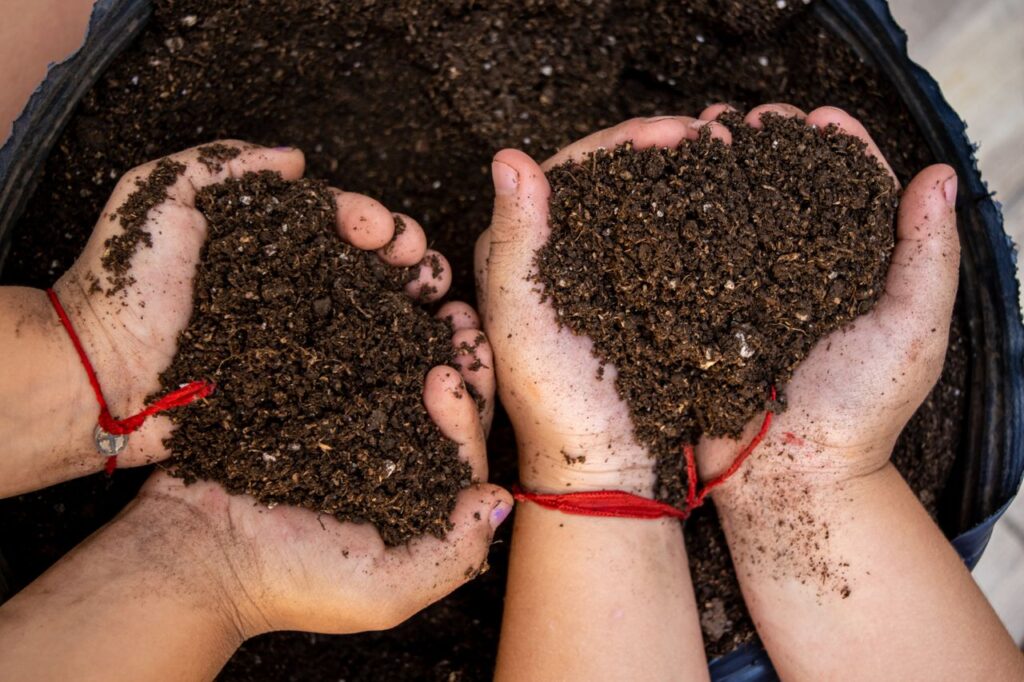
When I first started my indoor plant collection, I bought a giant bag of cheap, all-purpose potting soil from a local garden center and assumed it would work for everything.
Two months later, my Monstera was struggling with soggy roots while my succulents were practically suffocating in dense, compacted dirt.
Learning how to mix my own indoor plant soil was the single biggest turning point in my entire gardening journey.
In this guide, I will break down the essential raw ingredients every plant parent needs, reveal my favorite custom recipes, and show you how to tailor potting mixes to keep your indoor jungle thriving.
Why Cheap Store-Bought Soil Fails Indoor Tropicals
Standard bagged potting soil from big-box stores is usually composed almost entirely of dense peat moss or finely ground compost.
While this heavy mix works fine for outdoor garden beds exposed to strong sunlight, hot weather, and continuous wind, it is a recipe for disaster inside a closed living room.
Without heavy outdoor air circulation, dense peat stays saturated for weeks on end, squeezing out vital oxygen from the root ball and creating an ideal environment for root decay and annoying fungus gnats.
Custom soil mixes solve this exact issue by balancing moisture retention with rapid drainage. This structural balance ensures that feeder roots get a healthy supply of water alongside fresh oxygen after every single soak.
The Essential Ingredients for Custom Soil Blends
Building your own soil mix is surprisingly easy once you understand the basic roles of each raw component you add to the bucket.
By keeping a few versatile bulk ingredients on hand in your home, you can easily craft a specialized potting mix for any plant in your collection:
- Base Moisture Retainers: Coco coir or peat moss holds onto essential water and liquid nutrients so roots don’t dry out instantly.
- Aeration and Drainage Promoters: Perlite, coarse pumice, and horticultural charcoal create permanent air pockets and prevent soil compaction.
- Chunk and Texture Additives: Coarse orchid bark chips add structural integrity, mimicking the chunky rainforest floor where climbing tropicals naturally grow.
- Organic Nutrients: Quality worm castings provide a gentle, slow-release dose of natural fertilizer that will never burn tender feeder roots.
1. The Chunky Aroid Mix (Monsteras, Philodendrons, & Pothos)
Aroids are epiphytes by nature, meaning they naturally climb up rainforest trees in warm tropical environments with their roots exposed to humid air.
Planted in dense, heavy potting soil, these species quickly suffocate, but this chunky mix replicates their natural rainforest floor habitat perfectly:
- 3 Parts Coarse Orchid Bark Chips
- 2 Parts Coco Coir Fiber or Peat Moss
- 2 Parts Perlite or Coarse Pumice
- 1 Part Horticultural Charcoal
- 1 Part Quality Worm Castings
How the Aroid Mix Protects Delicate Roots
The large orchid bark chips in this recipe prevent the substrate from settling into a solid, impenetrable mass inside your planter over time.
Charcoal actively absorbs excess salts from tap water and synthetic fertilizer applications while keeping the subterranean root zone fresh and odor-free.
This loose, airy structure lets excess water drain through the bottom holes in seconds while leaving behind a light coating of humidity that climbing roots love.
2. The Gritty Succulent & Cactus Blend
Cacti, succulents, Snake Plants, and ZZ Plants are adapted to arid, rocky desert environments where rain is rare but intense when it happens.
Standard potting soil holds far too much moisture for these desert natives, leading to mushy stems, yellowing foliage, and rapid root decay.
This gritty blend drains almost instantly and allows the soil core to dry out completely within forty-eight hours of a heavy watering session:
- 3 Parts Coarse Pumice or Perlite
- 2 Parts Coarse Builder’s Sand or Fine Gravel
- 2 Parts Standard Potting Soil Base
- 1 Part Quality Worm Castings
Maintaining Long-Term Drainage for Desert Species
Pumice is my absolute favorite mineral for desert plants because it is heavier than standard perlite and will not float to the top during watering.
Coarse builder’s sand adds crucial physical weight to the bottom of the container, preventing top-heavy succulents and tall cacti from tipping over on your shelves.
This gritty texture ensures that even if you accidentally overwater on a cloudy day, excess liquid drains out the bottom holes immediately.
3. The All-Purpose Tropical Mix (Ferns, Calatheas, & Peperomias)
Some houseplants require consistent, uniform moisture around their roots to prevent their delicate leaf margins from curling, crisping, or turning brown.
Species like Calatheas, Peace Lilies, and tropical ferns need a moisture-retentive substrate that still allows adequate oxygen exchange deep inside the pot.
This balanced recipe maintains steady, reliable dampness without ever becoming swampy, heavy, or suffocating to lower roots:
- 4 Parts Moisture-Retaining Coco Coir
- 2 Parts Coarse Perlite
- 1 Part Medium Orchid Bark Chips
- 1 Part Quality Worm Castings
Step-by-Step Guide to Mixing Your Own Soil
Mixing your custom substrate at home is a simple, satisfying process that takes less than ten minutes once you have your raw materials ready.
Start by grabbing a large plastic storage bin or a wide bucket to use as your mixing container, along with a scoop or plastic garden trowel.
Measure out your ingredients using “parts” as your guide—this means you can use a small measuring cup for tiny pots or a big plastic scoop for large floor planters.
Pour all the dry components into your bin and mix them thoroughly with your hands until the texture looks completely uniform throughout the entire container.
Lightly mist the dry soil blend with a bit of water before repotting your plants to prevent the dry materials from repelling liquid during their very first watering session.
Soil Recipe Comparison Guide
Here is a quick breakdown to help you match your plant collection to the correct custom soil mixture based on drainage speed and texture:
| Soil Mix Type | Target Plants | Primary Benefit | Drainage Speed |
| Chunky Aroid | Monstera, Philodendron, Anthurium | Maximum airflow and thick chunk texture | Very High |
| Gritty Desert | Succulents, Cacti, ZZ Plant, Snake Plant | Rapid drying time; prevents root rot | Extreme |
| All-Purpose Tropical | Calathea, Ferns, Peace Lily, Peperomia | Retains even moisture without compaction | Moderate |
Master Your Soil and Watch Your Jungle Flourish
Mixing your own potting substrates might seem like an extra step at first, but it is one of the most satisfying investments you can make in your indoor garden.
Once you see how quickly your plants push out fresh, oversized leaves in a custom blend, you will never go back to basic bagged soil ever again.
Grab a few simple bucket containers this weekend, mix up a fresh batch for your favorite plant, and give those roots the breathing room they truly deserve!
Ready to upgrade more aspects of your plant care routine? Browse through our latest guides on the blog to discover indoor lighting strategies, pest control hacks, and practical watering advice to keep your home green and thriving!
 Small Spaces
 Turn your small space into an urban jungle! Discover step-by-step how to build a mess-free, freestanding living green wall divider for ultimate apartment privacy.
 Plant Care
 Dust is a silent killer! Learn step-by-step how to clean houseplant leaves naturally to boost photosynthesis, prevent pests, and restore vibrant shine.
 Plant Care
 As a pet owner, bringing new plants into your home can feel like a risky game. Curiosity often gets the […]
