
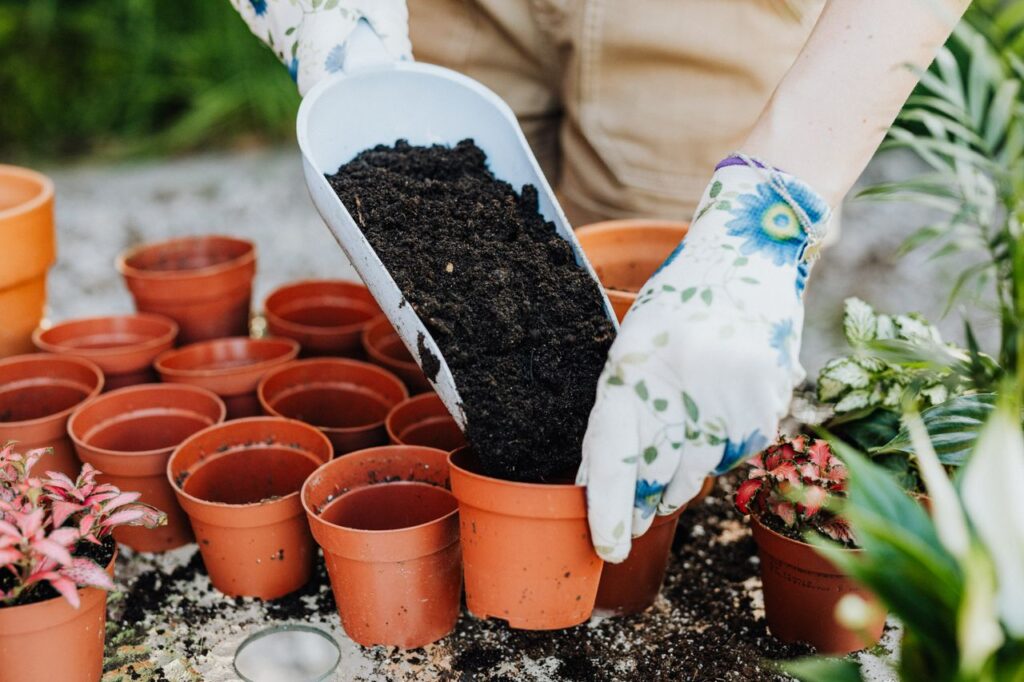
Have you ever wondered why your indoor tropicals, after months of pushing out vibrant new foliage, suddenly stop growing or begin producing pale, undersized leaves?
In my early years of collecting houseplants, I assumed that fresh potting soil and regular watering were all my plants needed to stay happy forever.
It took watching my once-vigorous Monstera turn pale and sluggish for me to realize a fundamental truth: container soil is a finite resource.
In this guide, I will break down why indoor plants desperately need added nutrients, how to identify fertilizing windows, and step-by-step methods to feed your indoor jungle safely.
Why Indoor Houseplants Need Supplemental Nutrition
In outdoor natural ecosystems, plants continuously receive nutrients from decaying organic matter, fallen leaves, insect activity, and natural mineral breakdown.
Inside our homes, however, houseplants live in isolated plastic or ceramic containers filled with commercial potting substrate that contains no natural replenishment cycle.
When you purchase a new plant, the potting soil usually comes pre-charged with a modest amount of slow-release fertilizer added by commercial growers.
Over three to six months of regular watering, those built-in nutrients are gradually absorbed by root systems or flushed out through bottom drainage holes.
Without supplemental feeding, your potted plants eventually exhaust their soil matrix, leading to stalled growth, pale leaves, and weak, brittle stems.
Understanding Macro-Nutrients: What N-P-K Means
When you shop for houseplant fertilizers, you will notice three numbers prominently displayed on the front label (such as 3-1-2 or 10-10-10), known as the N-P-K ratio.
These numbers represent the percentage by weight of three primary macronutrients that every plant relies on to carry out basic biological functions:
- Nitrogen (N): Drives lush, leafy vegetative growth and powers green chlorophyll production across leaves and stems.
- Phosphorus (P): Encourages strong, healthy root architecture and supports flowering or fruiting cycles.
- Potassium (K): Boosts overall cellular strength, improves disease resistance, and helps regulate internal water movement.
For standard foliage houseplants like Pothos, Philodendrons, and Ficus, I always recommend choosing a balanced liquid fertilizer or one slightly higher in Nitrogen to support leaf development.
When to Feed Your Plants (and When to Stop)
Timing is everything when it comes to fertilizing indoor plants safely without burning delicate root tissues or causing chemical buildup.
As a general rule, feed your plants only when they are actively growing during the warm, bright spring and summer months.
During active growth, plants consume higher levels of light and water, allowing them to process added nitrogen and minerals efficiently.
When autumn arrives and daylight hours decrease, most indoor plants slow down their metabolic processes and enter a semi-dormant resting phase.
Feeding plants during winter, when growth has stalled, leads to unabsorbed fertilizer salts accumulating in the soil, which scorches roots and causes brown leaf tips.
Seasonal Houseplant Feeding Matrix
To help you establish a safe fertilizing schedule across the entire year, check out this seasonal reference guide based on my home care routine:
| Season | Plant Growth State | Recommended Feeding Frequency | Fertilizer Dose / Strength |
| Spring | Waking Up & Active Growth | Every 2 to 4 weeks | Half-strength liquid dose |
| Summer | Peak Active Growth | Every 2 weeks | Half-strength or full-strength liquid dose |
| Autumn | Growth Slowing Down | Once early in the season | Quarter-strength liquid dose |
| Winter | Dormant / Resting Phase | Do Not Feed | None (Plain water only) |
Types of Houseplant Fertilizers: Synthetic vs. Organic
Choosing the right type of fertilizer depends on your personal care habits, budget, and how quickly you want your plants to respond.
Synthetic liquid fertilizers supply readily available nutrients that root systems absorb almost instantly, making them ideal for correcting visible nutrient deficiencies quickly.
However, synthetic salts can easily burn roots if overapplied, requiring you to dilute liquid formulas to half-strength before pouring them onto potting soil.
Organic fertilizers—such as liquid kelp, fish emulsion, or top-dressed worm castings—break down slowly over time, feeding soil microbes while providing gentle, burn-free nutrients.
I personally prefer using a gentle organic liquid seaweed emulsion paired with a spring top-dressing of rich worm castings to keep my soil living and healthy.
Step-by-Step: How to Apply Liquid Fertilizer Safely
Applying liquid fertilizer incorrectly is one of the fastest ways to cause accidental root shock in indoor plants. Here is the exact step-by-step routine I follow in my own home jungle:
- Moisten the Soil First: Never apply liquid fertilizer to dry, dehydrated soil. Always water your plant with plain water first to hydrate root tissues and prevent chemical burns.
- Dilute Your Mix: Measure your chosen liquid fertilizer and dilute it in fresh water to half the strength recommended on the bottle label.
- Apply to the Root Zone: Pour the diluted solution evenly over the soil surface until it begins trickling out of the bottom drainage holes.
- Flush Excess Runoff: Allow all excess fertilizer solution to drain completely into a sink or tray, and discard standing liquid so the pot never sits in dissolved salts.
Signs of Over-Fertilizing (and How to Flush the Soil)
It is far better to under-fertilize your indoor plants than to over-feed them; excess fertilizer salts build up in the soil matrix, causing severe root damage over time.
If you notice a white, crusty mineral layer forming on top of your potting soil, or if lower leaf tips suddenly turn dark brown and crispy, you may be over-feeding.
To fix fertilizer burn, place your potted plant in the shower or kitchen sink and gently run lukewarm water through the soil for several minutes.
This leaching process washes away accumulated mineral salts, giving the root zone a clean slate to recover before your next feeding session.
Feed Your Plants for Long-Term Vibrancy
Learning when and how to feed your houseplants turns struggling foliage into a thriving, resilient indoor jungle that pushes out fresh growth season after season.
By using balanced liquid fertilizers during bright spring and summer months, diluting your doses, and respecting winter dormancy, you give your plants the exact nutrition they crave.
Inspect your plant collection today, check for fresh spring growth, and give your tropical companions a gentle dose of nutrients to fuel their next foliage explosion!
Want to master more essential houseplant care strategies? Explore the rest of our blog guides to discover specialized soil recipes, pest control solutions, and expert care routines for every plant parent!
 Small Spaces
 Turn your small space into an urban jungle! Discover step-by-step how to build a mess-free, freestanding living green wall divider for ultimate apartment privacy.
 Plant Care
 Dust is a silent killer! Learn step-by-step how to clean houseplant leaves naturally to boost photosynthesis, prevent pests, and restore vibrant shine.
 Plant Care
 As a pet owner, bringing new plants into your home can feel like a risky game. Curiosity often gets the […]
