
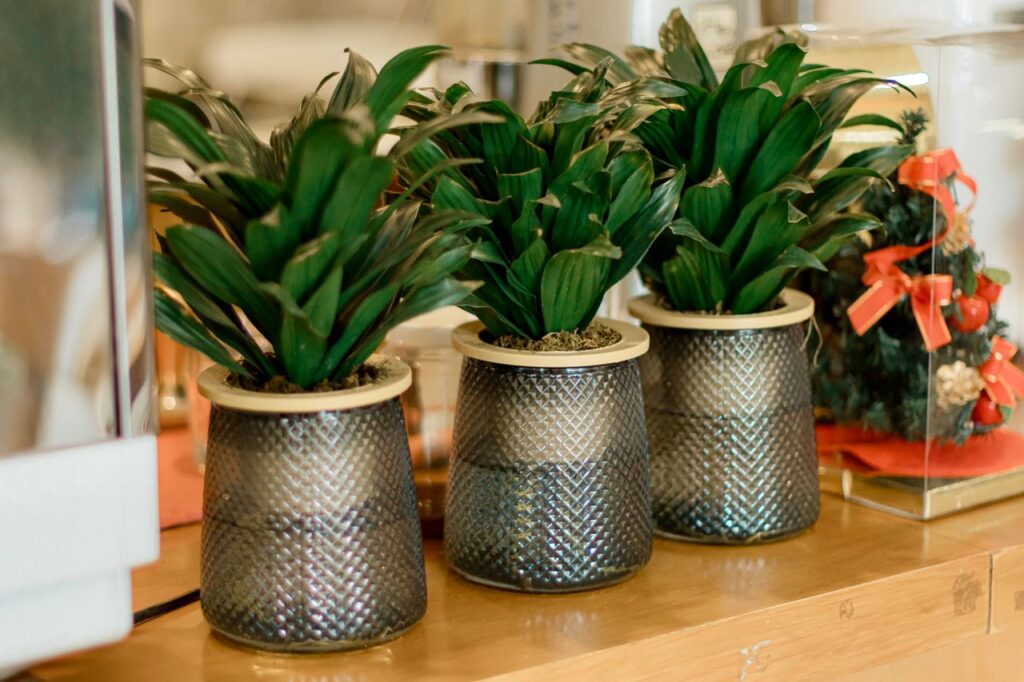
When I first discovered self-watering planters, I thought I had stumbled upon the absolute holy grail of indoor gardening.
The marketing promise sounded almost too good to be true: fill up an external water reservoir once every few weeks, walk away, and let a built-in wicking system effortlessly hydrate your plants on autopilot.
As someone who travels frequently for work and has lost a few high-maintenance tropicals to sudden drying spells while away, I bought a four-pack immediately.
I spent an entire Saturday repotting my favorite indoor species, convinced I would never have to worry about strict watering schedules ever again.
A month later, my results were a complete mixed bag. My Peace Lily was looking lush, green, and thriving, but my Sansevieria was turning mushy and yellow right near the soil line.
That frustrating experience was my hard lesson that self-watering pots do indeed work—but only if you understand the underlying physics and pair them with the right plant species.
In this guide, I will break down the science behind sub-irrigation containers, reveal which plants love them, and share the secret soil adjustments you need to make to prevent root decay.
How Self-Watering Planters Actually Function
Despite their high-tech name, self-watering containers do not rely on pumps, batteries, electronic sensors, or complex mechanics. Instead, they operate on a simple, fundamental principle of physics known as capillary action.
Most commercial designs feature a smart two-chamber system: an upper planting basket that holds the potting mix and a sealed water reservoir sitting directly beneath it. A synthetic fabric wick—or a specialized column of soil—extends down into the water chamber, drawing liquid upward as the surrounding dirt dries out.
This continuous capillary draw allows the potting soil to maintain a remarkably steady level of moisture directly around the root zone without needing traditional top-watering.
The Major Pros of Reservoir Planters
Using self-watering containers offers several distinct advantages that can make indoor plant care vastly easier, especially for busy plant parents or beginners.
- Consistent Sub-Surface Moisture: By supplying water from the bottom up, soil moisture levels remain surprisingly stable, completely preventing the harsh cycle of extreme drying and heavy soaking.
- Zero Leakage and Cleanliness: Because water is sealed inside an internal reservoir, you experience zero runoff, no messy drainage saucer spills on hardwood floors, and far less surface evaporation.
- Lifesaver for Travelers: Depending on your home’s ambient humidity and reservoir size, a single refill can easily sustain thirsty tropical plants for two to three weeks without any manual intervention.
The Dark Side: Why Some Plants Suffer
While the convenience of sub-irrigation is undeniable, keeping a continuous water supply sitting at the base of a planter comes with significant risks if misused.
The primary issue stems from persistent soil saturation. If your potting mix is too heavy, dense, or compacted, capillary action will keep the dirt perpetually soggy, displacing air pockets and suffocating delicate feeder roots.
Additionally, bottom-watering systems do not allow you to flush out excess fertilizer salts or tap water minerals.
Over time, unused minerals build up inside the soil matrix, which can cause severe leaf tip burn if you do not perform a thorough top-flush occasionally.
But which self-watering pots are actually worth it? Press play on the quick video guide below to see the complete rating!
Best Plants for Self-Watering Systems
Matching your plant’s natural hydration needs to a self-watering planter is the single most critical factor in achieving long-term success.
Moisture-loving species that thrive in consistently damp (but not waterlogged) soil love reservoir planters and will flourish in them:
- Peace Lilies (Spathiphyllum): Dramatic wilters that thrive on steady sub-surface hydration and high moisture levels.
- Ferns (Boston, Maidenhair): Species requiring high humidity and constant, uniform moisture around their delicate fibrous roots.
- Calathea and Maranta: Notorious drama queens that hate drying out even for a single afternoon.
- Pothos and Heartleaf Philodendron: Adaptable vining tropicals that grow rapidly with a constant, uninterrupted water supply.
- Herbs (Mint, Basil): Fast-growing edible plants that consume large volumes of liquid daily during active growth periods.
Plants You Should NEVER Put in Self-Watering Pots
Conversely, species that require a distinct dry period between waterings will quickly develop root rot in a continuous reservoir setup:
| Plant Category | Popular Examples | Why Self-Watering Fails |
| Succulents & Cacti | Echeveria, Jade, Desert Cacti | Roots require complete soil drying to prevent cell rupture. |
| Drought-Tolerant Foliage | Snake Plant, ZZ Plant | Rhizomes store massive water reserves; constant moisture rots stems. |
| Epiphytes | Orchids, Bromeliads | Roots require high oxygen exposure and rapid drying bark mixes. |
| Ficus Family | Fiddle Leaf Fig, Rubber Tree | Prone to leaf drop when roots remain continuously damp. |
The Secret Soil Recipe for Reservoir Success
If you plant a tropical in standard, heavy potting soil and hook it to a continuous water reservoir, root decay is almost guaranteed over time.
To make self-watering containers work long-term, you must actively modify your potting mix to maximize internal aeration.
I strongly recommend mixing equal parts standard potting soil, coarse perlite, and pumice or horticultural orchid bark.
These coarse aggregates create permanent air pockets within the soil matrix. This ensures that while capillary action pulls water upward, vital oxygen can still reach the root ball freely.
Essential Maintenance Rules for Long-Term Health
Even self-watering containers are not entirely hands-off; they require a few simple maintenance habits to stay clean and functional throughout the year.
First, never let the reservoir stay full 100% of the time. Once the water level drops to zero, wait two to three days before refilling to give the lower root ball a chance to breathe and dry slightly.
Second, top-water your plant thoroughly through the upper soil layer once every two months until water flows freely out of the overflow drain hole.
This simple wash-out flushes away accumulated mineral salts, deters pest buildup near the surface, and prevents fertilizer burn.
Make Self-Watering Work for Your Indoor Jungle
Self-watering pots are not a universal solution for every single houseplant in your collection, but when paired with thirsty tropicals and an airy soil mix, they are absolute game-changers.
They eliminate daily watering stress, keep moisture levels rock-steady, and give you total freedom to travel without worrying about returning home to a collection of dead, crispy leaves.
Give one a try on your thirstiest Calathea or fern this season—you might just wonder how you ever managed your plant routine without it!
Want to take your houseplant care skills to the next level? Explore our latest blog guides to discover specialized soil recipes, lighting hacks, and seasonal maintenance tips to keep your green space flourishing!
 Small Spaces
 Turn your small space into an urban jungle! Discover step-by-step how to build a mess-free, freestanding living green wall divider for ultimate apartment privacy.
 Plant Care
 Dust is a silent killer! Learn step-by-step how to clean houseplant leaves naturally to boost photosynthesis, prevent pests, and restore vibrant shine.
 Plant Care
 As a pet owner, bringing new plants into your home can feel like a risky game. Curiosity often gets the […]
