
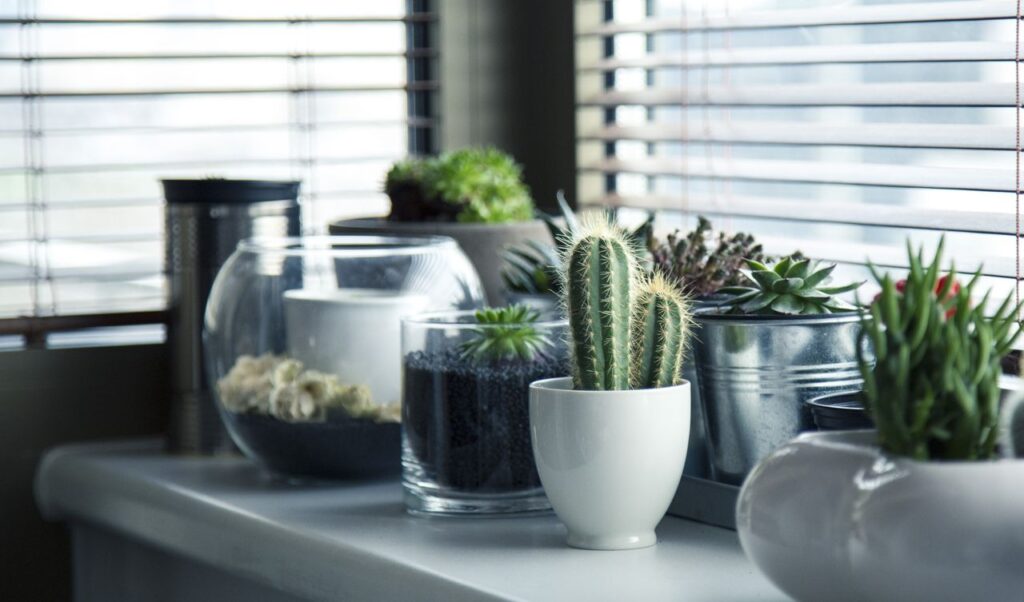
I once tried to turn my tiny home office desk into a lush tropical jungle by placing a massive Monstera deliciosa right next to my computer monitor.
Within a week, the sprawling aerial roots were knocking over my coffee mugs, and the giant fenestrated leaves completely blocked my webcam during important video calls.
That chaotic experiment forced me to rethink my indoor gardening strategy and discover the magic of truly compact foliage.
In this guide, I will share the absolute best small-scale houseplants that add vibrant life to your cramped desks, narrow windowsills, and busy kitchen countertops without ever getting in your way.
Why Small Spaces Demand Specialized Foliage
Trying to force a fast-growing, large-scale tropical into a tiny living space is a constant, exhausting battle of aggressive pruning.
You end up chopping off beautiful new growth just to keep the plant from overtaking your keyboard or blocking your kitchen sink.
When you have limited surface area, every single inch of horizontal and vertical real estate becomes incredibly precious. You need plants that respect those spatial boundaries while still providing a pop of vibrant color.
The secret to a clutter-free collection is choosing plant species that possess genetically dwarf characteristics or naturally slow growth habits.
These compact wonders allow you to enjoy all the mental health benefits of indoor greenery without sacrificing your practical working space. You get to keep your desk organized while still enjoying a stunning, miniature indoor oasis.
1. The Dwarf ZZ Plant (Zamioculcas zamiifolia ‘Zenzi’)
The standard ZZ Plant is famous for its indestructible nature, but it can easily grow three feet tall and wide over a few years.
Enter the ‘Zenzi’, a specialized dwarf cultivar that offers the exact same bulletproof resilience in a tightly condensed, miniature package.
Its thick, dark green leaves grow densely clustered together on thick, arching stems that rarely exceed ten inches in total height.
This incredibly tight growth habit makes it the ultimate desk companion for anyone who routinely forgets to water their plants.
Care Routine for the Dwarf ZZ
Because the ‘Zenzi’ stores massive amounts of water in its bulb-like rhizomes, it thrives on absolute neglect.
You only need to water this compact beauty when the soil is 100% bone dry all the way to the bottom of the pot.
It is incredibly forgiving with lighting, happily surviving under harsh fluorescent office lights or sitting in a moderately shaded room corner.
2. Baby Rubber Plant (Peperomia obtusifolia)
Do not let the common name fool you; this plant is not related to the massive Ficus rubber trees that take over entire living rooms.
The Peperomia obtusifolia is a delightfully compact, upright grower featuring thick, spoon-shaped leaves that naturally retain a glossy, waxy shine.
It grows slowly and rarely exceeds a foot in height, making it an absolutely perfect candidate for narrow kitchen countertops and shallow shelving.
My personal favorite is the variegated variety, which features stunning splashes of cream, butter yellow, and deep green to brighten up dull spaces.
Care Routine for Peperomias
Thanks to its semi-succulent leaves, this plant is remarkably drought-tolerant and hates sitting in heavy, waterlogged potting mixes.
I recommend using a highly aerated soil mix cut with plenty of perlite to ensure the shallow root system breathes easily.
Place it in bright, indirect sunlight to keep its vivid variegation strong, but avoid direct afternoon sun that can scorch the foliage.
3. The Zebra Plant (Haworthiopsis fasciata)
When you want to decorate a very narrow, sun-drenched windowsill, few plants perform better than the striking Haworthia.
This miniature succulent features thick, pointed green leaves adorned with raised, bright white horizontal stripes that resemble zebra prints.
Unlike sprawling vining plants, a Haworthia grows in a very tight, solitary rosette shape that perfectly fits into a tiny three-inch ceramic pot.
It is a slow, structural grower that will happily sit on your windowsill for years without ever needing a larger container or aggressive pruning.
Care Routine for Haworthias
Treat this spiky little gem exactly like a desert cactus by planting it in an extremely gritty, fast-draining succulent soil mix.
Wait until the soil core is completely dry, then soak the pot thoroughly until water flows out of the bottom drainage holes.
It loves soaking up bright morning sunlight through a window, but it is surprisingly adaptable to medium indoor light compared to other succulents.
4. Chinese Money Plant (Pilea peperomioides)
If you love modern, minimalist interior design, the Pilea peperomioides brings an incredibly unique architectural shape to any small surface.
It produces perfectly round, pancake-like leaves that bounce cheerfully on the ends of delicate, slender green stems.
While it can eventually grow into a small bush, it takes years to get there, remaining perfectly sized for a bedside table or deep desk corner.
I love how interactive this plant is; it frequently sprouts tiny “pups” from the soil that you can easily propagate and share with friends.
Care Routine for the Pilea
This whimsical plant is extremely responsive to light, meaning its leaves will aggressively stretch and lean toward the nearest sunny window.
To keep its central stem growing perfectly straight and balanced, give the pot a quarter-turn every time you water it.
It prefers its soil to dry out about halfway down the pot between waterings, signaling its thirst by letting its round leaves droop slightly.
5. Nerve Plant (Fittonia albivenis)
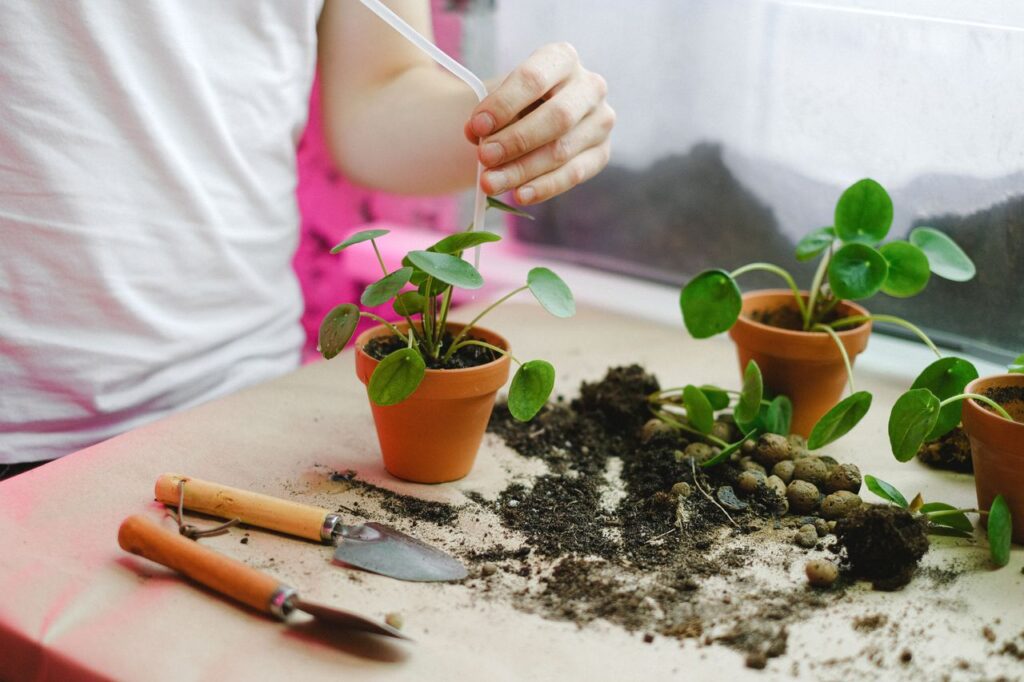
If your desk setup is located away from bright windows, the Fittonia is the perfect low-light superstar to add a dramatic splash of color.
Instead of growing upward, the Nerve Plant creeps horizontally, forming a dense, low-profile mat of foliage that never blocks your line of sight.
The leaves are intricately patterned with striking, high-contrast veins in vibrant shades of hot pink, silvery white, or bright ruby red.
Because of its moisture-loving nature and shallow roots, it is also the ultimate centerpiece for a miniature glass desktop terrarium.
Care Routine for Nerve Plants
Unlike succulents, Fittonias are absolute drama queens that will dramatically collapse and faint if their soil dries out completely.
Keep the potting mix consistently damp but never swampy, checking the surface every few days to ensure it hasn’t dried out.
They thrive in high ambient humidity, making them an excellent, colorful choice for a bright bathroom windowsill or next to a desktop humidifier.
Compact Houseplant Comparison Guide
To help you match the perfect miniature plant to your specific home environment, here is a quick overview of our top compact picks:
| Plant Name | Ideal Location | Light Requirement | Watering Frequency |
| Dwarf ZZ ‘Zenzi’ | Office Desks, Dark Corners | Low to Bright Indirect | Very Low (Let dry 100%) |
| Baby Rubber Plant | Kitchen Counters, Shelves | Medium to Bright Indirect | Low (Let dry 75%) |
| Zebra Plant | Sunny Windowsills | Bright Indirect to Direct | Very Low (Let dry 100%) |
| Chinese Money Plant | Bedside Tables, Desks | Bright Indirect | Moderate (Let dry 50%) |
| Nerve Plant | Terrariums, Bathrooms | Low to Medium Indirect | High (Keep consistently damp) |
Smart Styling Tips for Tiny Surfaces
Bringing plants onto your work desk or kitchen counter requires a bit of strategic styling to avoid creating visual clutter.
Instead of scattering multiple tiny pots everywhere, try clustering three miniature plants together on a single, stylish decorative tray.
Using a tray clearly defines the “plant zone” on your desk, keeping spilled soil contained and protecting your electronics from accidental water damage.
I also recommend potting your compact plants in matching ceramic containers to create a cohesive, deliberate interior design aesthetic.
Elevating Your Miniatures
If you are entirely out of flat surface area, look upward to find unused vertical real estate around your workspace.
Use a small, tiered wooden desktop stand to lift your miniature pots up and away from your keyboard and mousepad.
This simple vertical trick doubles your display space, keeps the foliage directly at eye level, and leaves your actual desk surface perfectly clear for working.
Maximize Your Greenery Without Losing Workspace
You do not need a massive, sweeping living room or a dedicated greenhouse to cultivate a deeply satisfying indoor jungle.
By carefully selecting compact, slow-growing species like the Dwarf ZZ or the vibrant Fittonia, you can seamlessly integrate nature into the tightest corners of your home.
Take a quick look at your desk or kitchen counter right now. Clear away that stack of old papers, grab a beautiful little Peperomia, and watch how a tiny splash of green instantly transforms your daily environment!
Eager to maximize the rest of your home’s potential? Take a deep dive into our blog archives for clever vertical gardening hacks, foolproof propagation methods, and tailored soil recipes to keep every plant in your collection thriving!
 Small Spaces
 Turn your small space into an urban jungle! Discover step-by-step how to build a mess-free, freestanding living green wall divider for ultimate apartment privacy.
 Plant Care
 Dust is a silent killer! Learn step-by-step how to clean houseplant leaves naturally to boost photosynthesis, prevent pests, and restore vibrant shine.
 Plant Care
 As a pet owner, bringing new plants into your home can feel like a risky game. Curiosity often gets the […]
