
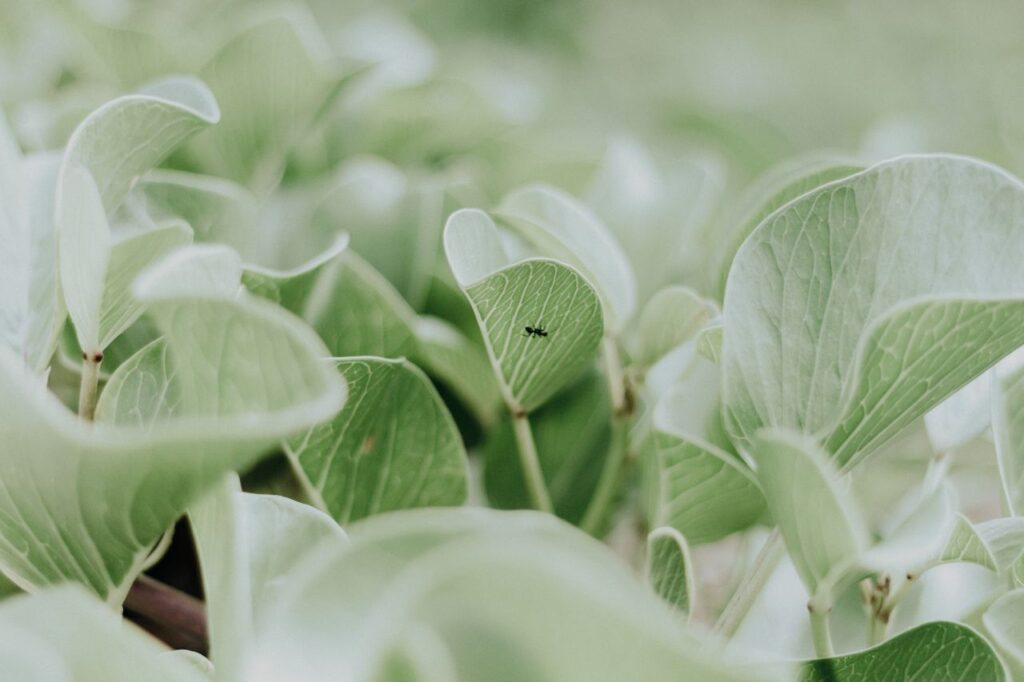
Few things ruin the peaceful joy of indoor gardening faster than a cloud of tiny black flies buzzing around your face every time you water your favorite Monstera.
Fungus gnats are one of the most common household plant pests, appearing out of nowhere and multiplying rapidly in damp potting soil.
While these persistent little bugs are incredibly annoying to deal with, they are surprisingly easy to eliminate once you target their reproduction cycle.
In this comprehensive guide, we will cover how to accurately identify fungus gnats, why they infest your indoor garden, and the exact steps to eradicate them for good.
How to Identify Fungus Gnats vs. Other Household Pests
Before launching a pest control campaign, you need to verify that you are actually fighting fungus gnats rather than fruit flies or drain flies.
Fungus gnats (Sciaridae) are weak fliers that hover clumsily near the soil surface, jumping around the planter rim when disturbed.
They feature delicate, mosquito-like black bodies with long legs and clear wings, measuring roughly one-eighth of an inch in length.
Fruit flies, by contrast, feature rounded brown bodies, distinct red eyes, and tend to hang around ripe kitchen fruit rather than damp potting dirt.
Drain flies look like tiny, fuzzy gray moths and emerge directly from clogged sink drains rather than your favorite plant pots.
The Hidden Danger of Fungus Gnat Larvae
While adult fungus gnats do not bite humans or harm foliage, their subterranean offspring present a hidden threat to young root systems.
Female gnats lay hundreds of microscopic eggs in damp, organic-rich potting soil, which hatch into translucent worm-like larvae.
These hungry larvae feed primarily on decaying organic matter, soil fungi, and delicate feeder roots deep inside the container.
In severe infestations, larval root damage leaves plants vulnerable to fungal infections, leading to stunted growth and sudden yellowing leaves.
If left untreated, a massive population of gnat larvae can completely strip away the fine root hairs that absorb vital minerals and water.
Why Indoor Environments Become Fungus Gnat Havens
Understanding why these bugs choose your living room helps you prevent future infestations from taking over your collection.
Fungus gnats thrive in stagnant, high-humidity conditions paired with heavy potting soils that retain excessive moisture for long periods.
Using cheap, unsterilized bagged dirt or overwatering during the dark winter months creates the perfect breeding ground for these pests.
Poor air circulation around indoor pots allows surface soil to stay damp, giving female gnats an ideal environment to deposit eggs.
By fixing your room’s microclimate and improving soil ventilation, you make your home significantly less attractive to migrating pests.
Step 1: Starve the Larvae by Drying Out the Soil
Fungus gnat eggs and larvae require continuous moisture to survive; keeping your potting soil perpetually wet is an open invitation for infestation.
The simplest, most effective first step in controlling gnats is adjusting your watering routine and letting the top two inches of soil dry out completely.
Allowing the top layer of dirt to turn bone dry disrupts the breeding cycle, killing fragile eggs and driving larvae deeper down.
Always discard excess runoff water from collection saucers so your planters never sit in stagnant pools of liquid.
For moisture-loving plants like Calatheas, let the very surface crust dry out completely between light waterings to deter egg-laying females.
Step 2: Trap Adult Gnats with Yellow Sticky Cards
To break the infestation cycle permanently, you must stop adult gnats from laying fresh batches of eggs in your dry soil.
Bright yellow sticky traps are irresistible to adult fungus gnats, drawing them away from the soil line and trapping them instantly.
Cut yellow sticky cards into small strips and mount them directly on wooden stakes inserted into the soil rim of affected pots.
Within forty-eight hours, these simple traps will catch hundreds of flying adults, drastically cutting down the breeding population.
Replace the sticky cards once they become covered in flies or dust so they maintain their strong adhesive power.
Step 3: Eliminate Larvae with Biological Control (BTI)
Drying the soil and trapping adults removes surface pests, but you need a targeted treatment to kill the hidden larvae underground.
Chemical sprays are often ineffective against subterranean larvae, making biological control using Bacillus thuringiensis israelensis (BTI) the ultimate weapon.
BTI is a naturally occurring soil bacterium that produces proteins toxic specifically to gnat, mosquito, and blackfly larvae while remaining completely safe for pets.
When hungry larvae consume the BTI bacteria in the dirt, the natural proteins disrupt their digestive system, eliminating them within hours.
How to Use BTI Mosquito Bits
- Soak: Steep BTI granules (commonly sold as Mosquito Bits) in warm water for thirty minutes to create a potent biological tea.
- Strain: Strain out the solid floating bits so they don’t mold on top of your soil.
- Water: Use the treated liquid to water your plants thoroughly, repeating every seven days for three consecutive weeks.
Step 4: Apply a Bottom Layer of Coarse Sand
If you want to physically block adult gnats from accessing moist dirt, create an impenetrable physical barrier over the top layer.
Add a half-inch layer of coarse horticultural sand, fine gravel, or perlite directly over the surface of your potting mix.
This abrasive top layer dries out in minutes after watering, preventing female gnats from crawling down to lay eggs.
It also prevents newly hatched adult gnats from digging their way up out of the soil, trapping them beneath the surface.
Be sure to cover the entire soil surface completely, leaving no exposed gaps near the plant stems where gnats could squeeze through.
Fungus Gnat Treatment Strategy Summary
To ensure you eliminate every stage of the pest lifecycle, follow this structured treatment protocol across all infested containers:
| Lifecycle Stage | Target Method | Primary Tool | Treatment Frequency |
| Eggs & Surface | Cultural Control | Soil Drying | Continuous prevention |
| Flying Adults | Mechanical Trapping | Yellow Sticky Cards | Replace when full |
| Active Larvae | Biological Control | BTI (Mosquito Bits) | Weekly for 3 weeks |
| Breeding Barrier | Physical Shield | Coarse Sand / Perlite | Permanent layer |
Here’s your practical, step-by-step video guide to eliminating fungus gnats safely and naturally. Press play below to see the exact chemical-free removal process!
Preventative Habits to Keep Gnats Away Forever
Once you successfully clear your home of fungus gnats, adopting a few simple maintenance routines will ensure they never return.
Always quarantine new houseplants in a separate room for two weeks before placing them alongside your existing collection.
Inspect the soil of store-bought plants thoroughly for flying pests or soggy dirt that might be harboring hidden gnat eggs.
Repot your plants into light, airy soil mixes containing plenty of perlite, pumice, or orchid bark to ensure rapid drainage.
Using bottom-watering techniques can also help keep the top layer of soil dry while supplying moisture directly to the lower roots.
Banishing Plant Pests to Keep Your Jungle Thriving
Dealing with a sudden fungus gnat outbreak can feel frustrating, but applying this multi-step approach eliminates the entire population in less than a month.
By drying out the soil, trapping adults, treating larvae with BTI, and adding a top barrier, you permanently break the pest cycle.
Inspect your houseplants today, stick a few yellow traps into the soil, and enjoy a gnat-free, flourishing indoor garden!
Want to protect your houseplant collection from other common pests and diseases? Explore our blog’s wide selection of organic pest remedies, soil recipes, and watering guides to keep your green space healthy year-round!
 Small Spaces
 Turn your small space into an urban jungle! Discover step-by-step how to build a mess-free, freestanding living green wall divider for ultimate apartment privacy.
 Plant Care
 Dust is a silent killer! Learn step-by-step how to clean houseplant leaves naturally to boost photosynthesis, prevent pests, and restore vibrant shine.
 Plant Care
 As a pet owner, bringing new plants into your home can feel like a risky game. Curiosity often gets the […]
